Interior Designer in Guwahati: The Complete Guide to Designing Beautiful Homes & Commercial Spaces
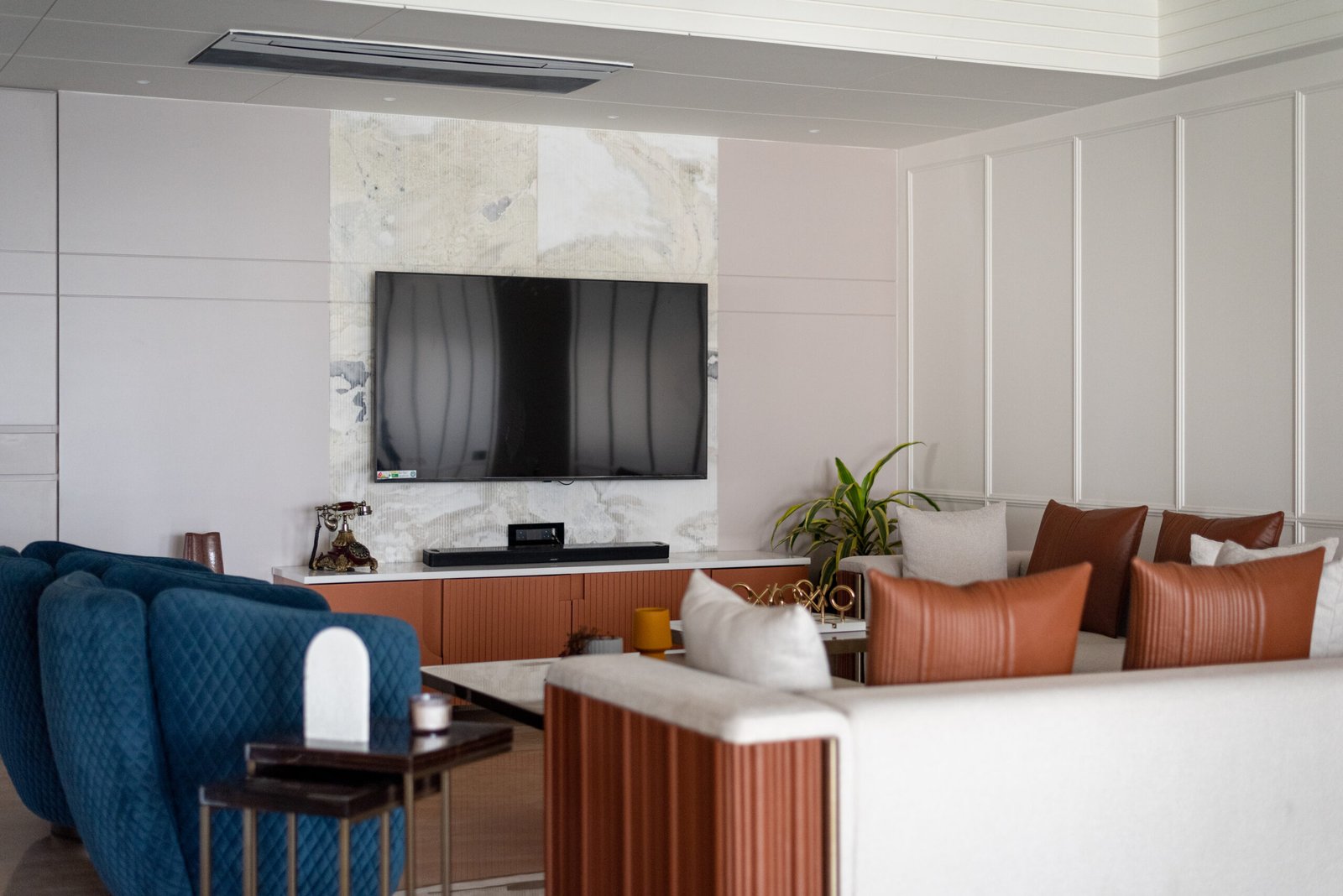
Creating Interiors That Feel Like Home
Finding the right interior designer in guwahati can completely change the way you live every day by transforming your house into a functional home.
It influences how comfortably you move through each room, how much natural light reaches your workspace, how efficiently your kitchen functions, and even how relaxed you feel after a busy day.
Many homeowners begin with beautiful inspiration images, only to discover that what looks good online doesn’t always work in real life. Every property has different dimensions, structural limitations, lighting conditions, ventilation requirements, and storage needs. A successful interior design project balances aesthetics with functionality.
That’s where a professional Interior Designer in Guwahati makes the difference.
Rather than simply selecting furniture or wall colours, an experienced designer studies how you use your home, understands your lifestyle, plans efficient layouts, recommends durable materials, coordinates contractors, and ensures every design decision contributes to a cohesive living environment.
At NJ Design Studio, every project begins by understanding the people who will live or work in the space. The goal is to create interiors that remain practical, elegant, and enjoyable for years—not just on the day they’re photographed.
Ready to transform your space?
Explore NJ Design Studio’s services or book a personalized consultation to discuss your project.
What Is an Interior Designer?
A professional interior designer in guwahati is a trained specialist who plans, designs, and manages interior spaces to improve functionality, comfort, aesthetics, and safety. Their work combines creativity with technical knowledge of space planning, lighting, materials, furniture, building systems, and user experience.
Unlike decorating alone, interior design considers how every element works together—from circulation pathways and storage solutions to lighting levels and material durability.
What Does an Interior Designer Do?
A professional interior designer typically helps with:
- Space planning
- Layout optimization
- Furniture planning
- Custom furniture design
- Modular kitchen design
- Wardrobe design
- Lighting design
- False ceiling planning
- Material selection
- Flooring recommendations
- Colour schemes
- Wall finishes
- Fabric selection
- Window treatments
- Home renovation planning
- Project coordination
- Vendor management
- Site supervision
Each decision is made with the overall design vision and the client’s practical needs in mind.
Interior Designer vs Interior Decorator
Many people use these terms interchangeably, but they are not identical.
| Interior Designer | Interior Decorator |
| Plans spaces | Enhances existing spaces |
| Creates layouts | Selects décor |
| Designs furniture | Adds accessories |
| Coordinates contractors | Styles interiors |
| Understands construction | Focuses mainly on appearance |
| Works on renovations | Usually works after construction |
For new homes, renovations, offices, or commercial projects, hiring an interior designer generally provides a more comprehensive solution.
Why Hire an Interior Designer?
Many homeowners assume hiring an interior designer is a luxury reserved for large homes. In reality, working with an experienced Interior Designer in Guwahati saves time, reduces costly mistakes, and maximizes small apartment spaces.
Better Space Utilization
Good design isn’t about filling rooms with expensive furniture.
It’s about making every square foot work efficiently.
This is especially valuable for:
- Apartments
- Compact urban homes
- Duplex houses
- Luxury villas
- Commercial offices
- Retail spaces
A thoughtful layout can make a smaller home feel noticeably more spacious without increasing its footprint.
Reduced Renovation Mistakes
Common mistakes include:
- Poor furniture sizing
- Insufficient storage
- Inadequate electrical planning
- Incorrect lighting placement
- Low-quality material selection
- Wasted circulation space
- Colour combinations that don’t suit the room
Fixing these issues after construction often costs significantly more than planning them correctly from the beginning.
Access to Professional Knowledge
Experienced designers understand:
- Material performance
- Wood finishes
- Moisture-resistant products
- Lighting temperatures
- Ergonomic dimensions
- Kitchen work triangles
- Wardrobe configurations
- Space standards
This knowledge helps homeowners make informed decisions instead of relying solely on trends.
Cohesive Design
Without a clear design strategy, homes often end up with mismatched furniture, inconsistent colours, and disconnected rooms.
Professional interior designers develop a unified design language that creates visual harmony throughout the property.
Better Project Management
Interior design projects involve multiple specialists, including carpenters, electricians, plumbers, painters, fabricators, flooring installers, and lighting suppliers.
A professional designer coordinates these teams, reducing delays and improving quality control.
Council of Architecture (India)
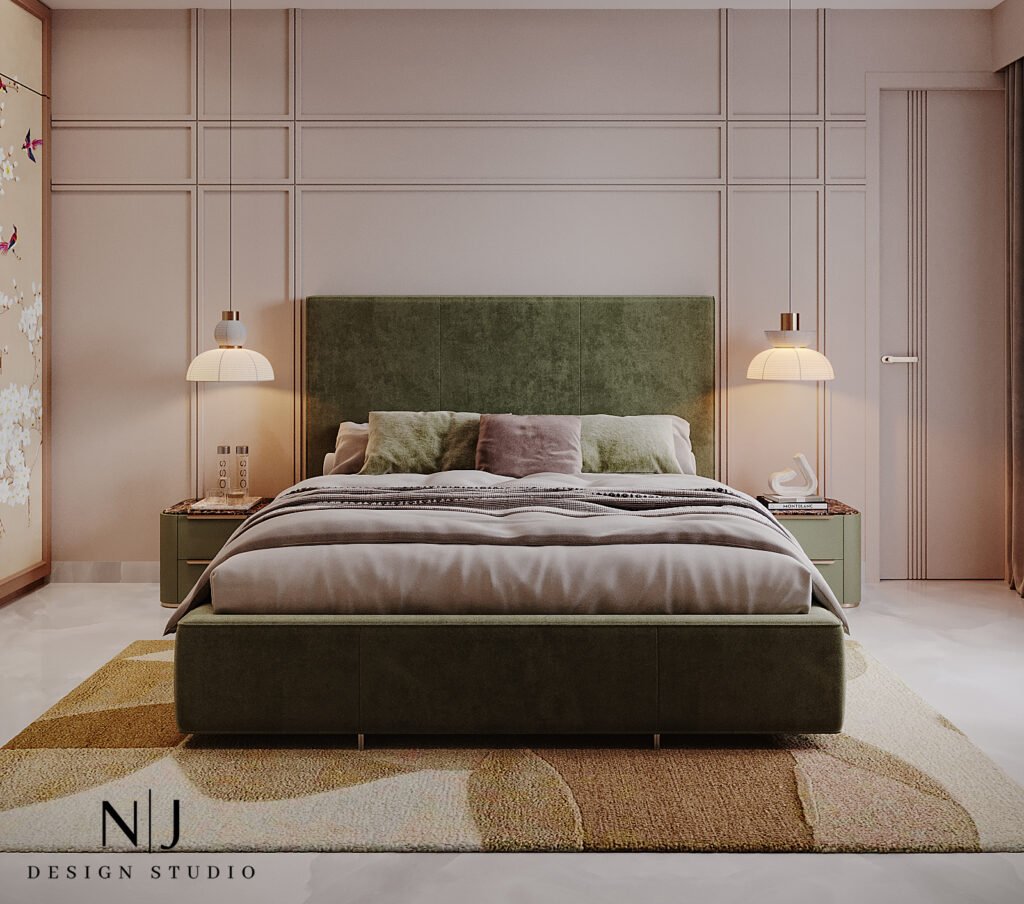
Benefits of Professional Interior Design
Professional interior design delivers value beyond appearance.
Improved Functionality
Every room should support the way you live.
Examples include:
- Kitchens designed around efficient workflows
- Bedrooms with optimized storage
- Living rooms that encourage conversation
- Home offices with comfortable ergonomics
- Bathrooms that maximize limited space
Better Lighting Design
Lighting shapes the atmosphere of a room and affects how colours, textures, and materials are perceived.
A balanced lighting plan combines:
- Ambient lighting
- Task lighting
- Accent lighting
- Decorative fixtures
- Natural daylight
Layering these sources improves comfort and usability throughout the day.
Increased Storage
Storage should be integrated into the design rather than added later.
Effective solutions include:
- Floor-to-ceiling wardrobes
- Hidden storage benches
- Pull-out pantry systems
- Under-stair storage
- Built-in entertainment units
- Customized shelving
Material Durability
Choosing materials involves more than selecting attractive finishes.
Professionals evaluate:
- Scratch resistance
- Moisture resistance
- Ease of maintenance
- Longevity
- Cost-effectiveness
- Suitability for Assam’s humid climate
Higher Property Value
Well-designed interiors often improve a property’s appeal to future buyers or tenants by enhancing functionality, aesthetics, and perceived quality.
Expert Tip
Rather than allocating most of your budget to decorative items, prioritize investments in durable cabinetry, efficient layouts, quality lighting, and long-lasting finishes. These decisions provide value every day and typically outlast changing décor trends.
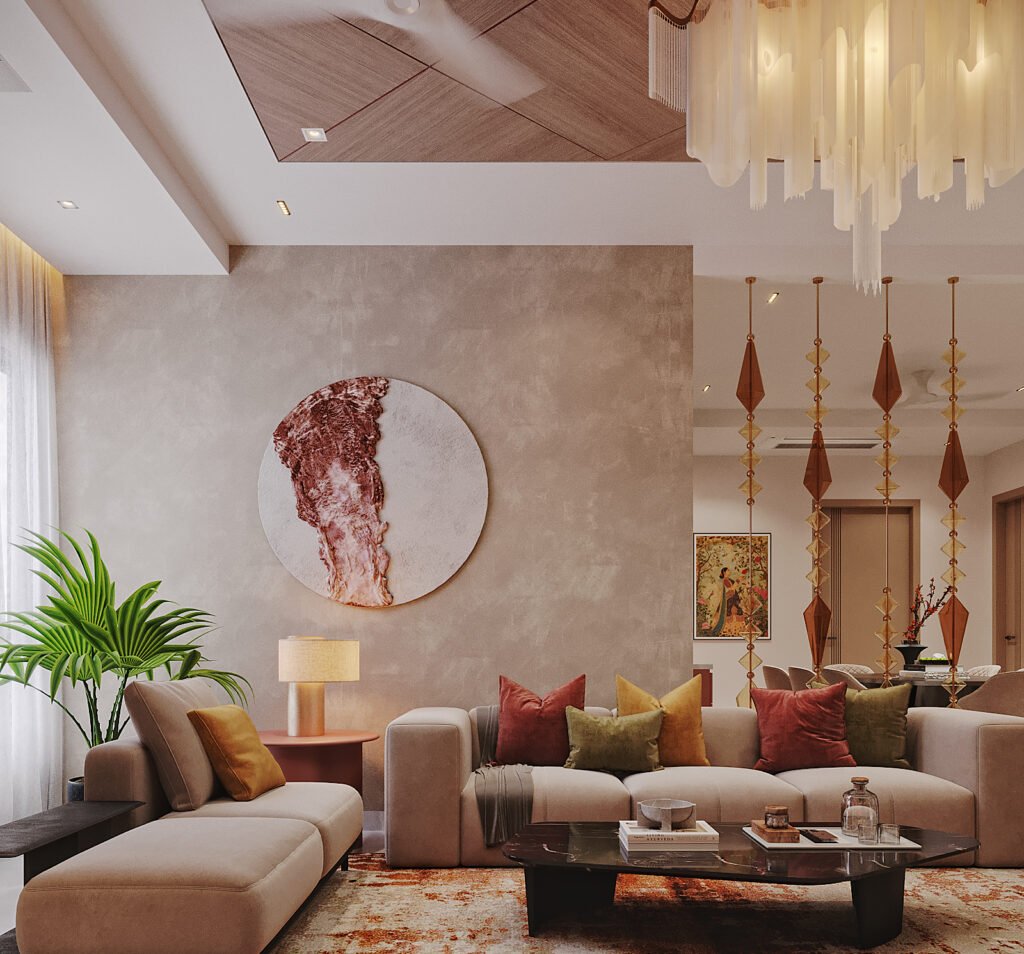
Why Homes in Guwahati Need Professional Interior Designers
Every city has unique design considerations, and Guwahati is no exception.
Climate, urban growth, changing lifestyles, and local architectural preferences all influence interior design decisions.
Humidity and Material Selection
Assam experiences high humidity for much of the year.
This affects:
- Wood movement
- Laminate performance
- Paint finishes
- Metal corrosion
- Fabric durability
- Adhesive performance
Selecting moisture-resistant materials and proper finishes helps interiors remain attractive and functional over time.
Maximizing Natural Ventilation
Thoughtful layouts can support better airflow, helping maintain indoor comfort while reducing dependence on mechanical cooling.
Designers consider:
- Window placement
- Furniture positioning
- Air circulation paths
- Curtain fabrics
- Room orientation
Making the Most of Urban Apartments
Areas such as Beltola, Six Mile, GS Road, Dispur, Ganeshguri, and Khanapara feature many modern apartments where efficient space planning is essential.
Design strategies often include:
- Multipurpose furniture
- Wall-mounted storage
- Open-plan layouts
- Glass partitions
- Hidden storage solutions
- Compact modular kitchens
Designing for Growing Families
Modern homes in Guwahati increasingly need flexible spaces that can adapt over time—for example:
- A guest room that doubles as a home office
- Children’s rooms designed to evolve with age
- Expandable dining areas for family gatherings
- Modular storage systems that can be reconfigured as needs change
Planning for flexibility reduces the need for major renovations in the future.
Respecting Local Lifestyle and Culture
Homes across Assam often balance contemporary living with cultural traditions. Interior design can thoughtfully incorporate local craftsmanship, natural materials, and spaces suited for family gatherings while still embracing modern functionality.
This approach creates interiors that feel both current and connected to the region’s identity.
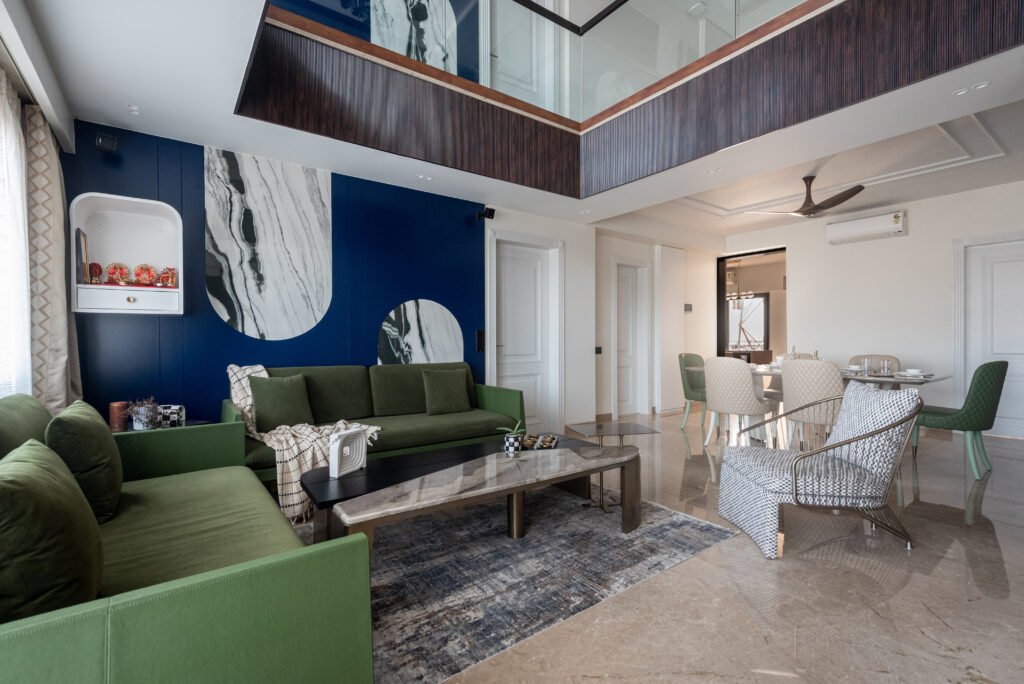
Residential & Commercial Interior Design Services in Guwahati
Every property has its own personality, challenges, and purpose. A thoughtfully designed family home requires different planning than a restaurant, office, or retail showroom. Understanding these differences is the foundation of successful interior design.
At NJ Design Studio, every project begins with understanding how people will use the space. Rather than applying the same design formula everywhere, each project is tailored to its location, architecture, daily routines, and long-term goals.
Whether you’re building a new home in Beltola, renovating an apartment in Six Mile, designing a villa in Khanapara, or planning a commercial office along GS Road, the design approach should always reflect your lifestyle and business needs.
Home Interior Design in Guwahati
A home should support the way you live, not the other way around.
Professional home interior design focuses on creating comfortable, organized, and visually balanced spaces while making everyday routines easier.
Key Elements of Residential Interior Design
- Functional space planning
- Comfortable furniture layouts
- Smart storage solutions
- Customized wardrobes
- Modular kitchens
- False ceilings
- Layered lighting
- Premium wall finishes
- Flooring selection
- Soft furnishings
- Decorative accessories
Instead of designing each room separately, experienced designers create a consistent visual flow throughout the home.
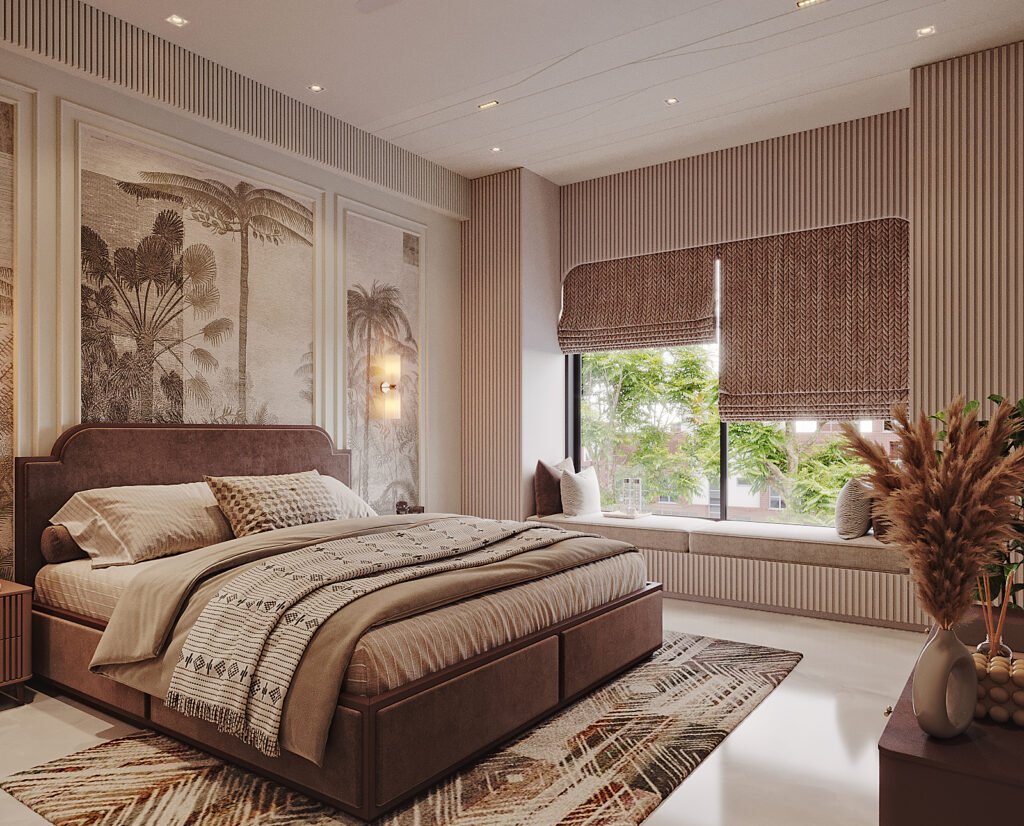
Planning your dream home?
Explore NJ Design Studio’s Home Interior Design Services to create a home that reflects your personality and lifestyle.
Apartment Interior Design
Modern apartments in Guwahati are becoming more compact, making efficient planning more important than ever.
Good apartment design isn’t about making a small home feel crowded with furniture. It’s about creating openness while ensuring everything has its place.
Apartment Design Priorities
- Open layouts
- Multi-functional furniture
- Vertical storage
- Hidden storage
- Light colour palettes
- Space-saving wardrobes
- Compact modular kitchens
- Minimal visual clutter
Even a two-bedroom apartment can feel significantly larger when circulation paths are carefully planned.
Popular Apartment Locations in Guwahati
Many apartment projects are located around:
- Beltola
- Six Mile
- Dispur
- Ganeshguri
- Zoo Road
- GS Road
- Khanapara
- Panjabari
Each neighbourhood has its own architectural characteristics, which influence furniture layouts and lighting strategies.
Villa Interior Design
Designing a villa offers opportunities that apartments often don’t.
Larger homes allow designers to introduce:
- Double-height living rooms
- Grand staircases
- Walk-in wardrobes
- Entertainment lounges
- Home theatres
- Home offices
- Outdoor living spaces
- Premium lighting concepts
Luxury villa interiors should maintain consistency across every room while giving each space its own identity.
Luxury Features Often Included
- Italian marble
- Premium veneers
- Designer lighting
- Custom furniture
- Smart home automation
- Imported hardware
- Large walk-in wardrobes
- Feature walls
- Luxury bathrooms
Rather than filling large rooms with oversized furniture, thoughtful zoning creates spaces that feel welcoming and easy to use.
Commercial Interior Design
Commercial interiors should support business objectives while creating memorable customer experiences.
Every design decision influences how people interact with the space.
Professional commercial interiors balance:
- Brand identity
- Customer experience
- Employee productivity
- Durability
- Maintenance
- Safety
- Accessibility
Office Interior Design
Today’s offices are designed for collaboration, flexibility, and employee well-being.
Rather than rows of identical desks, modern offices often include multiple work environments.
Office Design Components
- Reception area
- Workstations
- Executive cabins
- Conference rooms
- Collaboration zones
- Breakout areas
- Pantry
- Waiting areas
- Acoustic treatment
- Storage
Lighting also plays a significant role.
Natural daylight combined with properly positioned artificial lighting can improve comfort during long working hours.
Restaurant & Café Interior Design
People often remember how a restaurant feels just as much as the food.
Interior design influences:
- First impressions
- Customer comfort
- Seating capacity
- Table turnover
- Brand identity
- Social media appeal
Restaurant Design Includes
- Space planning
- Kitchen coordination
- Seating layouts
- Lighting ambience
- Decorative finishes
- Feature walls
- Acoustic planning
- Washroom design
A well-designed café encourages guests to stay longer while maintaining efficient staff movement.
Retail Showroom Design
Retail design should naturally guide customers through the space.
Important considerations include:
- Product visibility
- Display flexibility
- Customer circulation
- Cash counter placement
- Lighting
- Branding
- Storage
Well-planned retail interiors can improve customer engagement without increasing floor area.
Clinic & Healthcare Interior Design
Healthcare environments require a different design approach.
Patients should feel calm, comfortable, and confident.
Important considerations include:
- Hygienic materials
- Easy maintenance
- Efficient patient flow
- Comfortable waiting areas
- Proper lighting
- Privacy
Colour psychology becomes particularly important in healthcare settings.
Soft neutral colours often help create a relaxing atmosphere.
Hotel & Hospitality Interior Design
Hospitality design focuses on memorable guest experiences.
Every area contributes to the overall impression.
Examples include:
- Lobby
- Reception
- Guest rooms
- Restaurants
- Corridors
- Banquet spaces
- Lounge areas
Materials must balance luxury with durability due to frequent use.
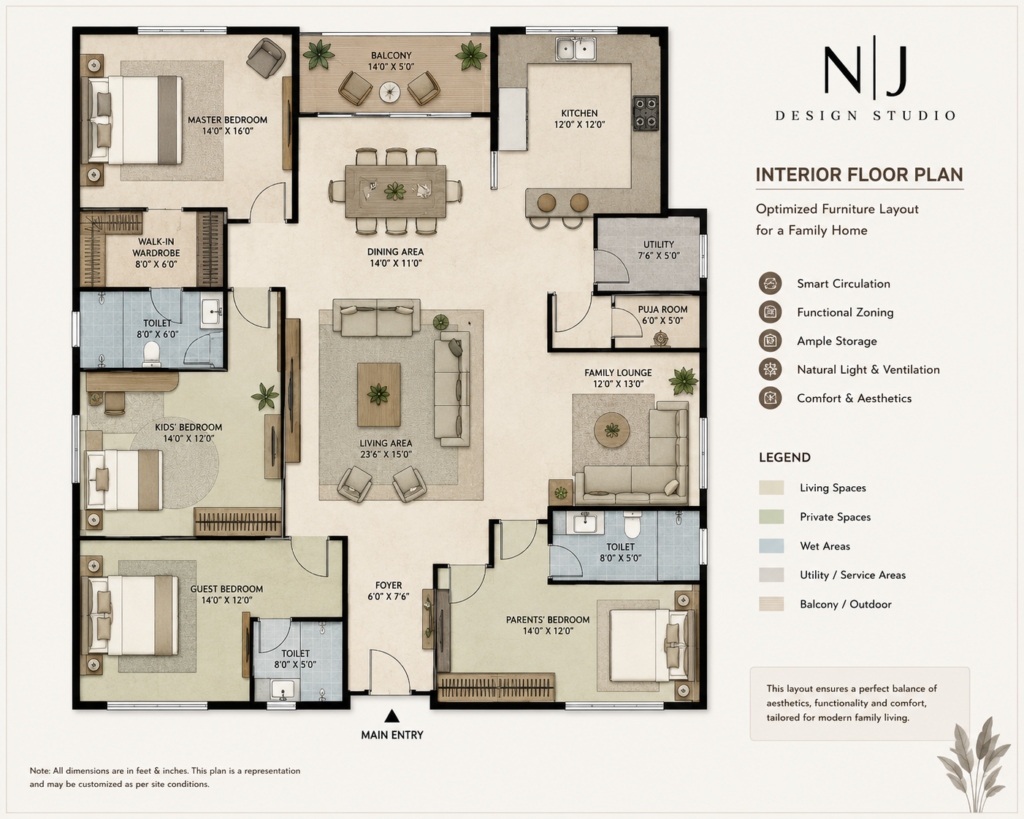
Space Planning: The Foundation of Great Interior Design
Beautiful furniture cannot compensate for a poor layout.
Space planning determines how comfortably people move through a room.
Professional space planning considers:
- Walking paths
- Door clearances
- Furniture dimensions
- Natural lighting
- Storage
- Electrical points
- Future flexibility
Good layouts reduce wasted space while improving comfort.
Common Space Planning Mistakes
- Oversized sofas
- Blocked windows
- Poor TV placement
- Narrow circulation paths
- Inadequate storage
- Incorrect dining spacing
- Poor kitchen workflow
Correcting these issues during the design stage is significantly easier than after construction.
Expert Tip
Leave sufficient clearance around furniture to maintain comfortable movement. Even luxurious interiors can feel cramped when circulation is overlooked.
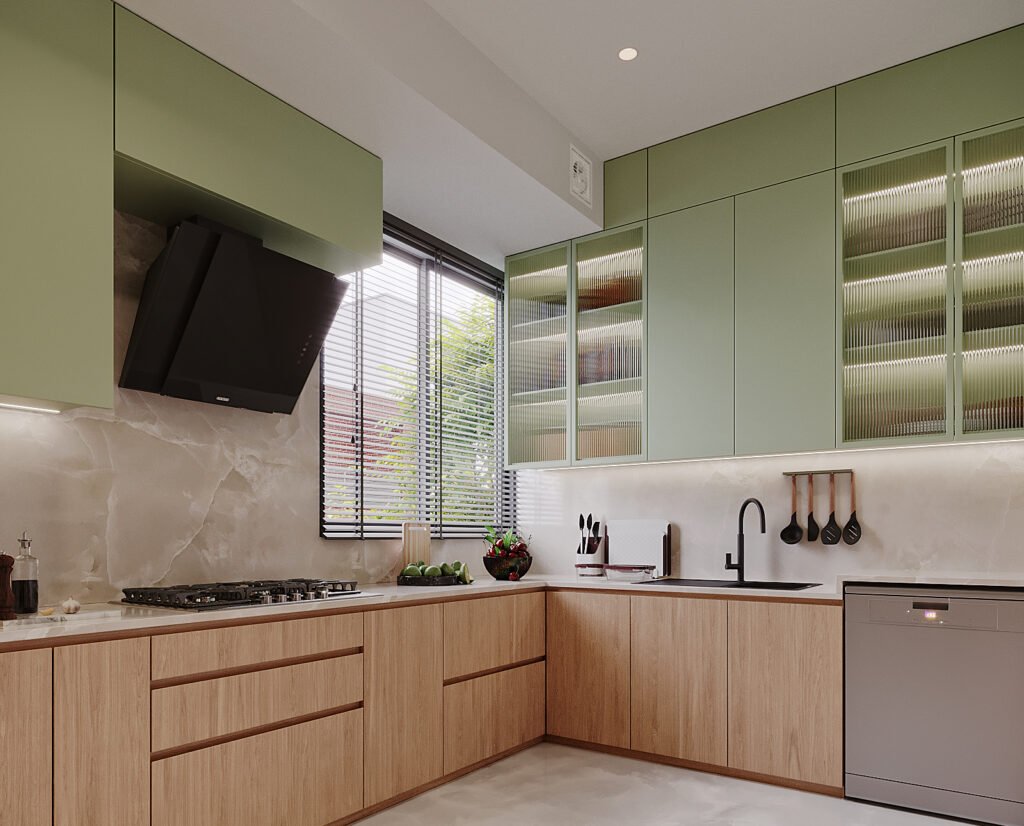
Modular Kitchen Design
The kitchen is one of the hardest-working spaces in any home.
Good kitchen design combines:
- Functionality
- Storage
- Ergonomics
- Safety
- Durability
- Aesthetics
The Kitchen Work Triangle
An efficient kitchen positions the:
- Refrigerator
- Sink
- Cooking area
to reduce unnecessary movement.
This principle remains one of the most practical guidelines in kitchen planning.
Popular Kitchen Layouts
| Layout | Recommended By Interior Designer in Guwahati |
| Straight Kitchen | Small apartments |
| Parallel Kitchen | Medium-sized homes |
| L-Shaped Kitchen | Most Indian homes |
| U-Shaped Kitchen | Large families |
| Island Kitchen | Luxury homes |
| Peninsula Kitchen | Open-plan homes |
Features of a Modern Modular Kitchen
- Soft-close drawers
- Pull-out pantry units
- Corner storage systems
- Built-in appliances
- Under-cabinet lighting
- Quartz countertops
- Durable laminates
- Easy-to-clean finishes
Custom Wardrobe Design
Storage should adapt to your lifestyle—not force you to adapt to it.
Custom wardrobes maximize every available inch while keeping belongings organized.
Popular Wardrobe Types
- Sliding wardrobes
- Hinged wardrobes
- Walk-in wardrobes
- Corner wardrobes
- Floor-to-ceiling wardrobes
Interior Accessories
- Pull-out trouser racks
- Jewellery organizers
- Shoe storage
- Tie racks
- Drawer dividers
- LED lighting
- Mirror panels
Thoughtful organization often eliminates the need for additional furniture in bedrooms.
False Ceiling Design
False ceilings serve both functional and aesthetic purposes.
Benefits include:
- Concealing wiring
- Better lighting integration
- Improved acoustics
- Air conditioning coordination
- Decorative detailing
Popular ceiling styles include:
- Cove ceilings
- Tray ceilings
- Floating ceilings
- Wooden ceiling accents
- Linear profile lighting
Lighting Design
Lighting shapes the mood of every room.
Professional lighting combines three layers.
Ambient Lighting
General room illumination.
Task Lighting
Focused lighting for activities such as cooking, reading, and working.
Accent Lighting
Highlights artwork, textures, shelving, and architectural features.
Balanced lighting makes interiors feel warm, comfortable, and visually dynamic.
Flooring Options for Guwahati Homes
Choosing flooring involves balancing aesthetics, maintenance, durability, and budget.
| Flooring | Benefits | Best For |
| Vitrified Tiles | Durable and easy to maintain | Most homes |
| Porcelain Tiles | Water resistant | Kitchens & bathrooms |
| Engineered Wood | Warm appearance | Bedrooms |
| Natural Marble | Premium finish | Luxury homes |
| Granite | Highly durable | High-traffic areas |
| Vinyl Flooring | Comfortable and economical | Offices |
| SPC Flooring | Moisture resistant | Apartments |
Considering Assam’s humid climate, moisture-resistant flooring materials are often a practical choice for long-term performance.
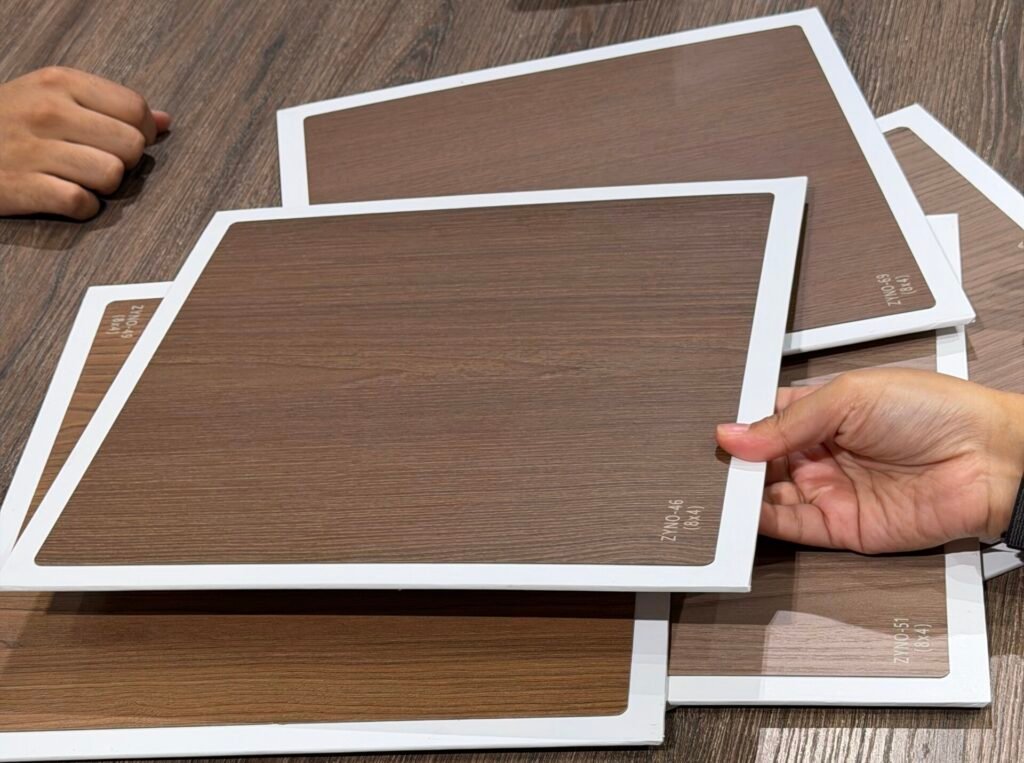
Material Selection: Building Interiors That Last
Beautiful interiors are only as good as the materials behind them. A premium-looking space can quickly lose its appeal if the finishes fade, warp, crack, or become difficult to maintain. Material selection is one of the most important decisions in any interior design project because it directly affects durability, maintenance, comfort, and long-term value.
At NJ Design Studio, material recommendations are based on more than appearance. The team considers how the space will be used, the client’s lifestyle, budget, and Guwahati’s humid climate before recommending finishes.
For example, a busy family home with young children will benefit from scratch-resistant surfaces and easy-to-clean finishes, while a luxury villa may prioritize natural stone, veneer, and designer lighting.
Factors to Consider When Choosing Interior Materials
Before selecting any material, ask these questions:
- How durable is it?
- Is it suitable for Assam’s climate?
- How much maintenance does it require?
- Will it age well?
- Does it fit the overall design style?
- Is it environmentally responsible?
- Does it offer good long-term value?
A balanced approach often delivers better results than choosing materials based solely on trends.
Material Comparison Guide
| Material | Advantages | Considerations | Best Applications by Interior Designer in Guwahati |
| Laminates | Affordable, durable, easy to maintain | Limited texture depth | Kitchens, wardrobes, TV units |
| Natural Veneer | Rich natural grain, premium appearance | Requires proper finishing | Luxury furniture, feature walls |
| Acrylic Finish | High-gloss, modern appearance | Shows fingerprints | Contemporary kitchens |
| PU Paint Finish | Seamless premium finish | Higher cost | Luxury cabinetry |
| Quartz | Non-porous, durable | Premium pricing | Kitchen countertops |
| Granite | Extremely durable | Limited colour selection | Countertops |
| Marble | Elegant natural appearance | Requires sealing | Luxury flooring and walls |
| SPC Flooring | Water resistant | Premium vinyl product | Apartments and offices |
| Engineered Wood | Warm appearance | Moderate maintenance | Bedrooms and living rooms |
| Porcelain Tiles | Low maintenance | Can feel cold underfoot | Bathrooms and kitchens |
Expert Tip
Invest in high-quality materials for frequently used areas such as kitchens, wardrobes, and flooring. Decorative accessories can be updated over time, but replacing built-in elements is significantly more expensive.
Colour Psychology in Interior Design
Colour influences more than appearance—it shapes how a space feels. The right palette can make a room appear larger, brighter, calmer, or more energetic.
Professional designers use colour intentionally to support the purpose of each room.
Living Rooms
Popular choices include:
- Warm neutrals
- Soft greys
- Earthy beiges
- Muted greens
- Warm whites
These colours create welcoming spaces suitable for relaxation and entertaining.
Bedrooms
Bedrooms benefit from calming tones such as:
- Sage green
- Dusty blue
- Warm taupe
- Soft ivory
- Muted lavender
These shades encourage rest and help create a peaceful atmosphere.
Kitchens
Modern kitchens often feature:
- White
- Charcoal grey
- Natural wood tones
- Olive green
- Matte black accents
These combinations balance practicality with timeless appeal.
Home Offices
Focused workspaces often use:
- Soft blues
- Neutral greys
- Warm whites
- Natural timber finishes
These colours reduce visual distraction while maintaining a professional environment.
Local Insight
In Guwahati, where natural greenery and abundant daylight are part of the landscape, earthy palettes and natural materials often create interiors that feel connected to the surrounding environment.
Sustainable Interior Design
Sustainability has become an important consideration for homeowners and businesses alike. Choosing environmentally responsible materials and efficient design solutions can reduce waste, improve indoor comfort, and contribute to long-term cost savings.
Sustainable design is not about sacrificing style. It is about making thoughtful choices that support both the environment and the people using the space.
Sustainable Design Strategies
- Use responsibly sourced timber
- Choose low-VOC paints and finishes
- Maximize natural daylight
- Improve ventilation
- Select durable materials with longer life cycles
- Reuse existing furniture where appropriate
- Incorporate energy-efficient LED lighting
- Specify water-efficient fixtures
These choices can reduce maintenance requirements while improving indoor air quality.
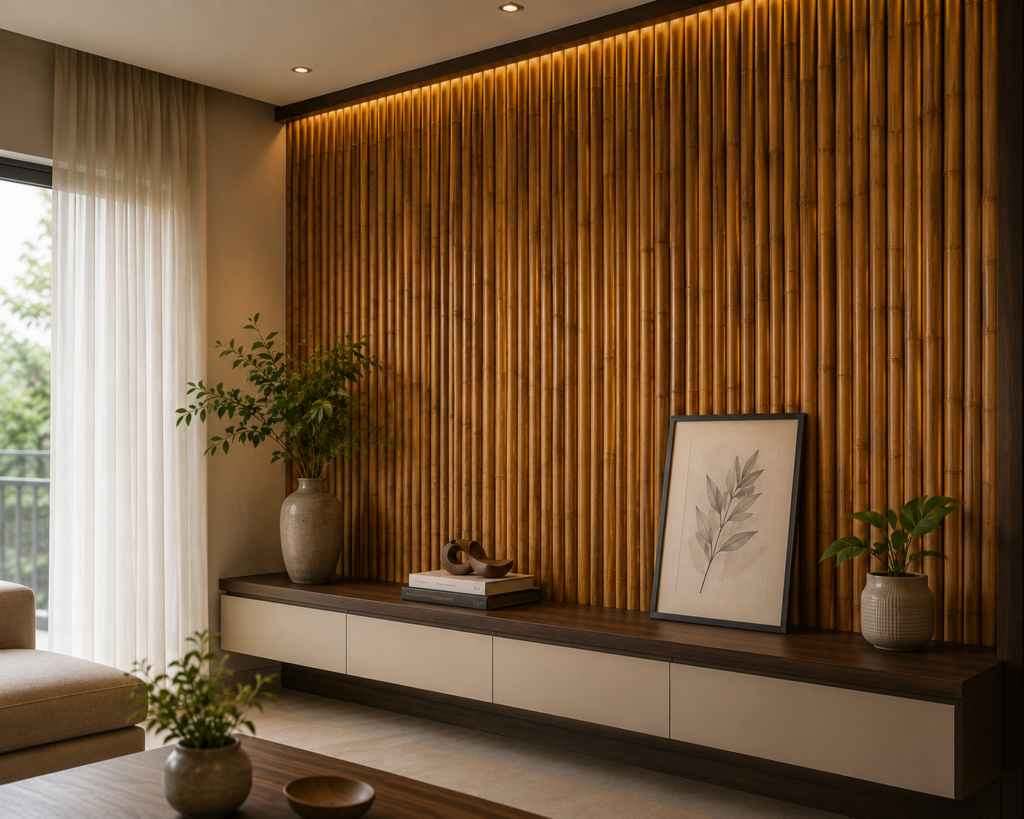
Bamboo Interiors: A Natural Choice for Assam
Bamboo has long been associated with the culture and craftsmanship of Northeast India. When used thoughtfully, it can add warmth, texture, and sustainability to contemporary interiors.
Modern bamboo applications include:
- Decorative wall panels
- Ceiling features
- Room dividers
- Furniture accents
- Lighting fixtures
- Custom shelving
High-quality engineered bamboo products offer improved durability while retaining the material’s natural character.
Smart Home Integration
Technology has become an integral part of modern interior design. Planning for smart systems during the design stage helps avoid unnecessary modifications later.
Popular smart home features include:
- Smart lighting controls
- Motorized curtains
- Climate control systems
- Video doorbells
- Security cameras
- Smart locks
- Voice-controlled devices
- Automated entertainment systems
Integrating these systems early allows wiring and equipment to be concealed within the design.
Planning for Future Technology
Even if you don’t install every smart feature immediately, preparing the infrastructure during construction can make future upgrades easier.
This may include:
- Additional conduits
- Network cabling
- Extra power points
- Structured wiring panels
Forward planning minimizes disruption during future renovations.
Vastu Considerations in Interior Design
Many homeowners in Guwahati and across Assam consider Vastu principles while planning their homes. As a local Interior Designer in Guwahati, we seamlessly accommodate these spatial preferences while balancing modern functionality.
Common considerations include:
- Entrance orientation
- Kitchen placement
- Bedroom positioning
- Study areas
- Prayer rooms
- Furniture arrangement
Rather than treating Vastu as a rigid rulebook, experienced designers work with the home’s layout to find practical solutions that align with the homeowner’s beliefs and the architectural constraints of the property.
Interior Design Trends in Guwahati
Interior design continues to evolve as lifestyles, technology, and material innovations change. While trends come and go, the most successful interiors balance contemporary aesthetics with timeless functionality.
Warm Minimalism
Clean lines remain popular, but today’s minimalist interiors incorporate warmer colours, textured fabrics, and natural materials to create inviting spaces.
Biophilic Design
Connecting interiors with nature has become increasingly popular.
Examples include:
- Indoor plants
- Natural wood finishes
- Stone textures
- Large windows
- Organic colour palettes
Curved Furniture
Soft curves are replacing sharp edges in many contemporary interiors, creating more relaxed and approachable spaces.
Layered Lighting
Rather than relying on a single ceiling fixture, homeowners increasingly combine ambient, task, and accent lighting for greater flexibility and visual depth.
Textured Walls
Feature walls now incorporate:
- Wood panels
- Fluted finishes
- Stone veneers
- Decorative paint techniques
- Acoustic panels
These elements add character without overwhelming the space.
Interior Design Cost in Guwahati
One of the first questions homeowners ask is, “How much does interior design cost in Guwahati?”
The answer depends on several factors, including:
- Property size
- Scope of work
- Material selection
- Level of customization
- Furniture requirements
- Project complexity
- Technology integration
- Finishing quality
Instead of focusing only on the initial investment, it is important to consider long-term value. Quality materials, efficient planning, and professional execution often reduce maintenance costs and help avoid expensive rework.
Indicative Interior Design Cost Guide
Note: The figures below are general estimates for planning purposes. Every project is unique, and actual costs vary based on design requirements, material choices, and site conditions. A detailed quotation should always follow a consultation and site assessment.
| Project Type | Approximate Investment Range* |
| 2 BHK Apartment | ₹4 lakh – ₹10 lakh+ |
| 3 BHK Apartment | ₹7 lakh – ₹15 lakh+ |
| Independent House | ₹10 lakh – ₹30 lakh+ |
| Luxury Villa | ₹25 lakh+ |
| Office Interiors | Based on area and specifications |
| Retail Showroom | Based on area and customization |
| Restaurant & Café | Based on kitchen, seating, and finishes |
*Illustrative ranges only. Final pricing depends on scope, finishes, custom furniture, and execution requirements.
Want a cost estimate tailored to your home or commercial space?
Contact NJ Design Studio to schedule a consultation and receive a customized proposal based on your goals and budget.
Typical Interior Design Project Timeline
Every project progresses at its own pace, but a structured process helps maintain quality and coordination.
| Project Stage | Typical Duration |
| Initial Consultation | 1–3 days |
| Site Measurements | 1 day |
| Concept Design | 1–2 weeks |
| Design Development | 2–4 weeks |
| Material Selection | 1–2 weeks |
| Production & Procurement | 4–8 weeks |
| Site Execution | 6–12 weeks |
| Final Styling & Handover | 1 week |
Timelines vary based on project size, customization, approvals, and material availability.
The NJ Design Studio Design Process
Every successful interior begins with a clear process. A structured workflow helps minimize surprises, improve communication, and deliver a finished space that aligns with the client’s vision.
Step 1: Consultation
The journey starts with understanding your lifestyle, goals, design preferences, timeline, and budget.
Step 2: Site Evaluation
Measurements, photographs, and architectural details are documented to understand the opportunities and constraints of the space.
Step 3: Concept Development
Mood boards, layouts, and design directions are prepared to establish the project’s visual identity.
Step 4: Design Development
Furniture layouts, lighting plans, ceiling designs, material palettes, and detailed drawings are refined before execution begins.
Step 5: Material Selection
Clients review finishes, hardware, fabrics, and other materials to ensure they match both the design vision and practical requirements.
Step 6: Execution & Coordination
Carpenters, electricians, painters, fabricators, flooring specialists, and other trades are coordinated to deliver the project efficiently.
Step 7: Quality Checks & Handover
The completed space is reviewed to ensure workmanship meets expectations before the final handover.
Is Hiring an Interior Designer Worth the Investment?
For many homeowners and business owners, professional interior design is not simply an expense—it is an investment in how a space performs over time.
Well-planned interiors can:
- Reduce costly construction mistakes
- Improve functionality
- Increase storage capacity
- Enhance everyday comfort
- Support efficient project coordination
- Create a cohesive aesthetic
- Improve the long-term appeal of the property
When design decisions are made thoughtfully from the beginning, the result is often a space that serves its users better for years to come.
How to Choose the Best Interior Designer in Guwahati
Choosing an interior designer is one of the most important decisions you’ll make during a home construction or renovation project. The right designer doesn’t just create attractive spaces—they help you avoid costly mistakes, optimize your investment, and ensure the finished space reflects your lifestyle or business goals.
If you’re comparing multiple interior designers in Guwahati, look beyond attractive portfolios. A successful project depends on communication, technical expertise, project management, and transparency as much as creativity.
1. Review Their Portfolio Carefully
A portfolio reveals far more than visual style.
Pay attention to:
- Variety of completed projects
- Residential and commercial experience
- Quality of finishes
- Space planning
- Lighting design
- Custom furniture
- Material detailing
- Consistency across projects
Ask yourself:
“Would I be happy living or working in spaces like these?”
Recommended reading: Residential Interior Design Guwahati
2. Understand Their Design Process
Professional firms follow a structured workflow.
A typical process includes:
- Consultation
- Site visit
- Concept development
- Space planning
- Material selection
- Detailed drawings
- Budget planning
- Execution
- Quality inspections
- Final handover
A clearly defined process reduces misunderstandings and keeps projects moving efficiently.
3. Ask About Project Management
Interior projects involve multiple specialists working together.
These may include:
- Carpenters
- Electricians
- Plumbers
- Fabricators
- Painters
- Flooring installers
- Ceiling contractors
- Stone suppliers
An experienced design firm coordinates these teams, helping maintain quality and schedule.
4. Discuss Budget Transparently
Good designers help clients prioritize spending.
Rather than simply recommending expensive finishes, they explain where investing more creates long-term value and where cost-effective alternatives make sense.
Look for transparency in:
- Scope of work
- Material specifications
- Payment schedules
- Project milestones
- Possible additional costs
5. Evaluate Communication
Interior design projects often run for several months.
Choose a designer who:
- Responds promptly
- Explains technical concepts clearly
- Listens carefully
- Welcomes questions
- Provides regular project updates
Strong communication often determines whether the overall experience is enjoyable.
6. Check Local Experience
Designing homes in Guwahati, Beltola, Dispur, Six Mile, GS Road, Ganeshguri, Khanapara, or Panjabari requires familiarity with local architecture, suppliers, climate, and construction practices.
A firm with regional experience is better equipped to recommend suitable materials, finishes, and layouts for Assam’s conditions.
Quick Checklist Before Hiring
✔ Strong portfolio
✔ Transparent pricing
✔ Clear design process
✔ Local experience
✔ Professional communication
✔ Material knowledge
✔ Site supervision
✔ Positive client feedback
✔ Customized solutions
✔ Post-project support
Questions to Ask Before Hiring an Interior Designer
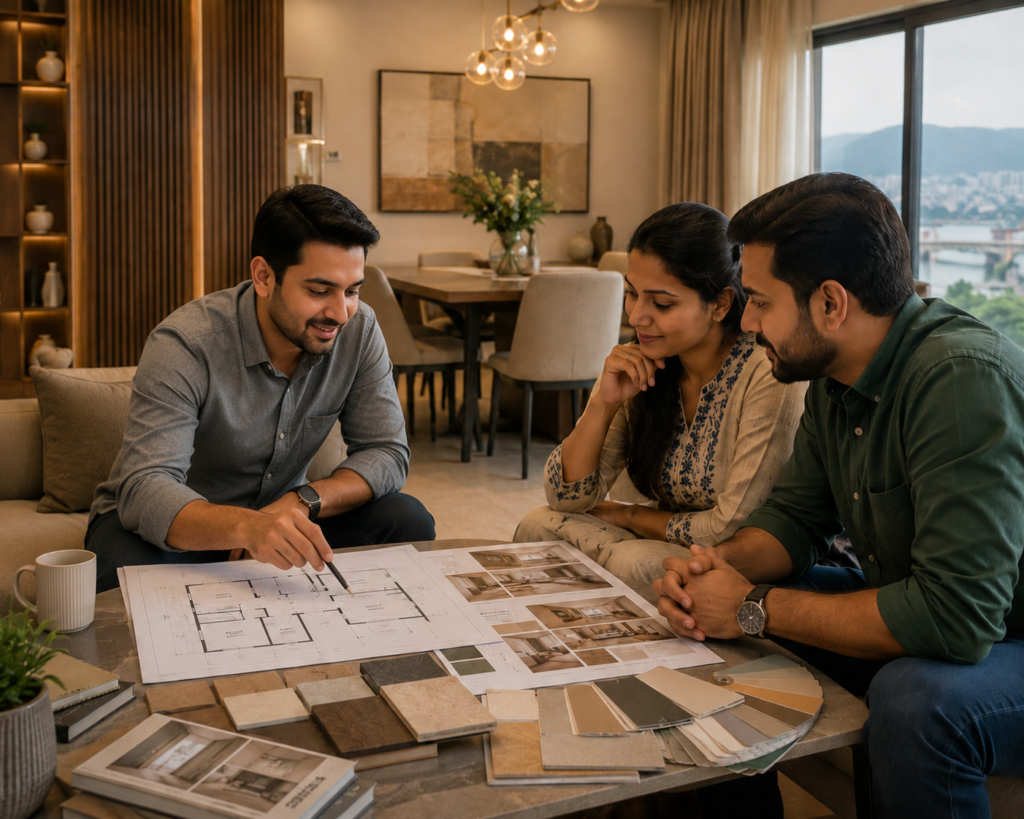
The first consultation is an opportunity to understand how a designer approaches projects. Asking thoughtful questions helps set clear expectations and build confidence before work begins.
Project Experience
- Have you completed projects similar to mine?
- Can I see completed residential or commercial projects?
- What design styles do you specialize in?
Design Process
- What happens after the consultation?
- How do you present design concepts?
- How many revisions are included?
Budget
- How is the project budget managed?
- What factors influence pricing?
- How are changes handled during execution?
Timeline
- How long will my project take?
- What could cause delays?
- How often will I receive progress updates?
Materials
- Which materials do you recommend?
- Are there premium and budget-friendly alternatives?
- Which materials work best in Assam’s climate?
Execution
- Do you supervise the project?
- How frequently do you visit the site?
- Who coordinates the contractors?
After Completion
- Is there post-handover support?
- How should different materials be maintained?
Common Interior Design Mistakes to Avoid
Even beautifully designed homes can develop functional problems if planning is overlooked.
Avoiding these mistakes early can save both time and money.
Choosing Furniture Before Planning
Buying furniture before creating a layout often results in overcrowded rooms or awkward circulation.
Always begin with measurements and furniture planning.
Ignoring Storage
Many homeowners underestimate their storage requirements.
Professional designers plan storage based on:
- Family size
- Lifestyle
- Seasonal items
- Future needs
Well-integrated storage reduces clutter and improves daily organization.
Poor Lighting
Relying on a single ceiling light creates flat, uninspiring interiors.
Instead, combine:
- Ambient lighting
- Task lighting
- Accent lighting
Layered lighting improves both functionality and atmosphere.
Following Trends Without Considering Longevity
Design trends evolve quickly.
Instead of redesigning entire rooms every few years, choose timeless foundations and introduce trends through accessories, artwork, textiles, and décor.
Ignoring Material Performance
A finish that works well in a dry climate may not perform equally well in Assam’s humidity.
Always consider:
- Moisture resistance
- Scratch resistance
- Ease of cleaning
- Long-term durability
Poor Electrical Planning
Electrical points should be finalized before execution begins.
Common oversights include:
- Too few sockets
- Incorrect TV positioning
- Missing charging stations
- Poor kitchen appliance planning
Thoughtful electrical planning improves convenience every day.
Overspending on Decoration
A balanced budget often delivers better results than concentrating spending on decorative items alone.
Prioritize:
- Layout
- Cabinetry
- Lighting
- Flooring
- Built-in storage
These investments continue adding value long after decorative accessories change.
Expert Tip
Good interior design often goes unnoticed because everything feels effortless. Comfortable movement, practical storage, balanced lighting, and cohesive materials create homes that simply work well.
Why Homeowners Choose NJ Design Studio
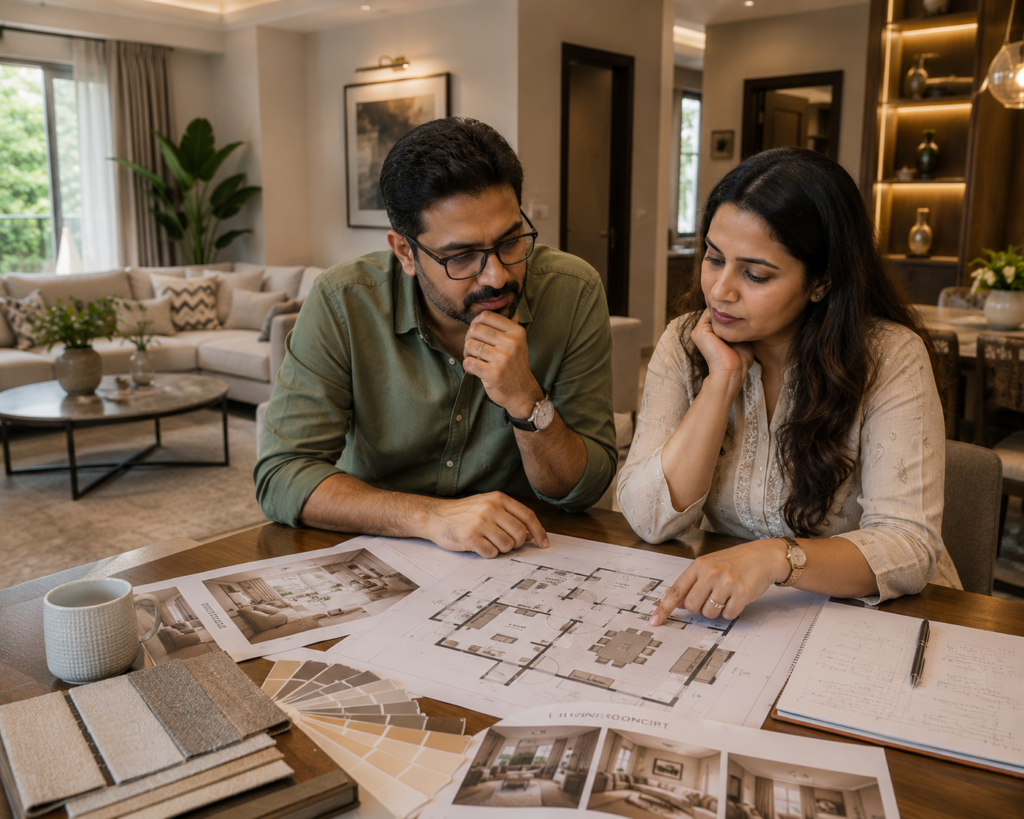
Every project presents a unique opportunity to create spaces that reflect the people who use them.
Rather than offering one-size-fits-all solutions, NJ Design Studio focuses on understanding each client’s lifestyle, functional needs, design preferences, and long-term goals before developing a tailored interior concept.
What Sets NJ Design Studio Apart
- Personalized design approach
- Residential and commercial expertise
- Customized furniture solutions
- Functional space planning
- Premium material selection
- Local experience in Guwahati and Assam
- Coordinated project execution
- Attention to detail
- Contemporary and timeless design solutions
Whether it’s a compact apartment, an independent residence, a luxury villa, or a commercial workspace, the goal remains the same: create interiors that balance beauty, practicality, and lasting value.
Illustrative Project Examples
The following examples demonstrate the types of outcomes clients commonly seek. Replace these with actual NJ Design Studio project details and photography before publication.
Modern Family Apartment
Project Type: 3 BHK Apartment
Objective:
Create a bright, organized home with improved storage and a contemporary aesthetic.
Key Solutions
- Open living and dining layout
- Floor-to-ceiling wardrobes
- Space-saving modular kitchen
- Layered lighting
- Neutral colour palette
- Hidden utility storage
Result
A home that feels more spacious, functional, and easier to maintain while supporting the family’s daily routines.
Luxury Villa
Project Type: Independent Villa
Objective
Design an elegant residence suitable for entertaining while remaining comfortable for everyday family life.
Key Solutions
- Double-height living area
- Designer lighting
- Premium natural materials
- Walk-in wardrobes
- Customized furniture
- Home office
Result
A cohesive luxury interior that balances sophistication with practical living.
Commercial Office
Project Type: Corporate Office
Objective
Improve employee collaboration while maintaining a professional client experience.
Key Solutions
- Flexible workstations
- Meeting rooms
- Acoustic planning
- Breakout areas
- Reception redesign
- Improved lighting
Result
A workplace designed to support productivity, collaboration, and brand identity.
What Clients Commonly Appreciate
Replace the examples below with verified client testimonials before publishing.
“The design process was organized, transparent, and easy to understand. Every room now feels more functional without losing its warmth.”
“Our apartment feels significantly larger thanks to thoughtful storage planning and furniture layouts.”
“The attention to detail—from lighting placement to material selection—made a noticeable difference throughout the project.”
“Communication remained clear from consultation through handover, making the renovation experience much less stressful.”
Why Choose NJ Design Studio
Choosing an interior designer is about more than selecting colours, furniture, or finishes. It is about partnering with professionals who understand how thoughtful design improves everyday living.
At NJ Design Studio, every project is approached with careful planning, attention to detail, and a commitment to creating spaces that reflect each client’s lifestyle, aspirations, and practical needs.
Whether you are designing your first apartment, renovating a family home, planning a luxury villa, or creating a commercial environment, the goal remains the same: to deliver interiors that are functional, timeless, and built to last.
From space planning and custom furniture to lighting design, premium materials, and coordinated project execution, NJ Design Studio provides comprehensive interior design solutions for clients throughout Guwahati, Assam, and Northeast India.
Frequently Asked Questions
What does an interior designer do?
An interior designer plans and designs indoor spaces by optimizing layouts, selecting materials, coordinating lighting, designing furniture, improving functionality, and overseeing project execution to create spaces that are both practical and visually appealing.
Why should I hire an interior designer in Guwahati?
A local interior designer understands Assam’s climate, regional construction practices, supplier network, and homeowner preferences, helping create interiors that are functional, durable, and well suited to the local environment.
Is hiring an interior designer worth it?
For many projects, yes. Professional planning can reduce costly mistakes, improve space utilization, streamline execution, and create interiors that offer long-term value.
What services do interior designers offer?
Typical services include:
Space planning
Interior design concepts
Modular kitchens
Wardrobes
Custom furniture
False ceilings
Lighting design
Material selection
Site supervision
Project management
How much does an interior designer cost in Guwahati?
Costs vary depending on property size, project scope, customization, and material choices. A consultation is the best way to receive an accurate estimate.
How long does an interior design project take?
Timelines vary based on project complexity, but residential projects often take several weeks to a few months from design through execution.
Can an interior designer work within my budget?
Yes. An experienced designer helps prioritize spending, recommends suitable material options, and creates solutions aligned with your budget and goals.
Do I need an interior designer for a small apartment?
Absolutely. Compact homes often benefit the most from professional space planning, storage design, and multifunctional furniture solutions.
What is the difference between interior design and interior decoration?
Interior design includes planning layouts, technical drawings, materials, and construction coordination. Interior decoration focuses mainly on furniture, accessories, and aesthetics.
Can I renovate my existing home?
Yes. Interior designers regularly work on renovation projects, helping modernize layouts, improve storage, update finishes, and enhance functionality.
Do interior designers provide 3D designs?
Many professional firms provide 3D visualizations or realistic renders to help clients understand the proposed design before execution begins.
Can you design commercial spaces?
Yes. Interior designers create offices, restaurants, cafés, retail stores, clinics, hotels, and other commercial environments tailored to business objectives.
What should I prepare before the first consultation?
Bring floor plans (if available), inspiration images, a list of requirements, your estimated budget, and any questions about the project.
Are customized furniture solutions better than ready-made furniture?
Custom furniture is designed specifically for your space and can maximize storage and functionality, especially in homes with unique layouts or compact rooms.
Can interior design increase property value?
Thoughtfully designed interiors can improve functionality, visual appeal, and buyer perception, making a property more attractive to potential purchasers or tenants.
Which areas of Guwahati do interior designers serve?
Professional interior designers typically serve clients across:
Beltola
Six Mile
Dispur
Ganeshguri
GS Road
Khanapara
Panjabari
Zoo Road
Chandmari
Ulubari
Noonmati
Jalukbari
Maligaon
Narengi
Many firms also undertake projects throughout Assam and Northeast India.
Do interior designers work on renovations?
Yes.
Interior designers frequently renovate:
Apartments
Villas
Independent homes
Offices
Restaurants
Retail stores
Clinics
Renovation projects often include improved layouts, upgraded storage, modern lighting, new finishes, and customized furniture.
Can I hire an interior designer before construction starts?
Absolutely.
Involving an interior designer during the planning stage allows better coordination of:
Electrical layouts
Plumbing points
Ceiling design
Furniture planning
Lighting
Storage
Air conditioning
Early planning reduces expensive changes later.
Do interior designers help choose materials?
Yes.
Material selection is one of the most valuable services offered by professional designers.
Recommendations typically include:
Flooring
Wall finishes
Countertops
Hardware
Laminates
Veneers
Paints
Fabrics
Lighting fixtures
Can interior designers design only one room?
Yes.
Many homeowners request design services for:
Living rooms
Bedrooms
Modular kitchens
Wardrobes
Home offices
Dining rooms
What is turnkey interior design?
Turnkey interior design means a single company manages the project from concept through completion.
This typically includes:
Design
Drawings
Procurement
Manufacturing
Site supervision
Installation
Final handover
What makes luxury interior design different?
Luxury interiors focus on:
Premium materials
Custom furniture
Better craftsmanship
Designer lighting
Bespoke detailing
Exclusive finishes
Luxury design is defined by quality and thoughtful execution rather than decoration alone.
How important is lighting in interior design?
Lighting influences:
Comfort
Mood
Productivity
Colour perception
Visual balance
Professional lighting design combines ambient, task, and accent lighting to create flexible and inviting spaces.
Can interior designers help with smart homes?
Yes.
Modern projects often integrate:
Smart lighting
Motorized curtains
Voice assistants
Climate control
Home security
Automated entertainment systems
Planning these features early improves installation and future upgrades.
What should I expect during the first consultation?
The initial consultation typically covers:
Lifestyle requirements
Design preferences
Budget expectations
Timeline
Functional needs
Site evaluation
Project goals
This discussion forms the foundation for the overall design strategy.
Your home or workplace should support the way you live, work, and grow. Thoughtful interior design turns empty rooms into spaces that feel comfortable, organized, and uniquely yours.
If you’re searching for an Interior Designer in Guwahati, NJ Design Studio is ready to help you bring your ideas to life with tailored design solutions for homes, apartments, villas, offices, restaurants, clinics, retail spaces, and more.
Take the next step today:
- Schedule a design consultation.
- Explore our portfolio of completed projects.
- Visit our studio to discuss your vision.
- Request a personalized quotation for your project.
Let’s create a space that works beautifully today and continues to add value for years to come.