Interior Designer in Assam: Complete Guide to Residential & Commercial Interior Design
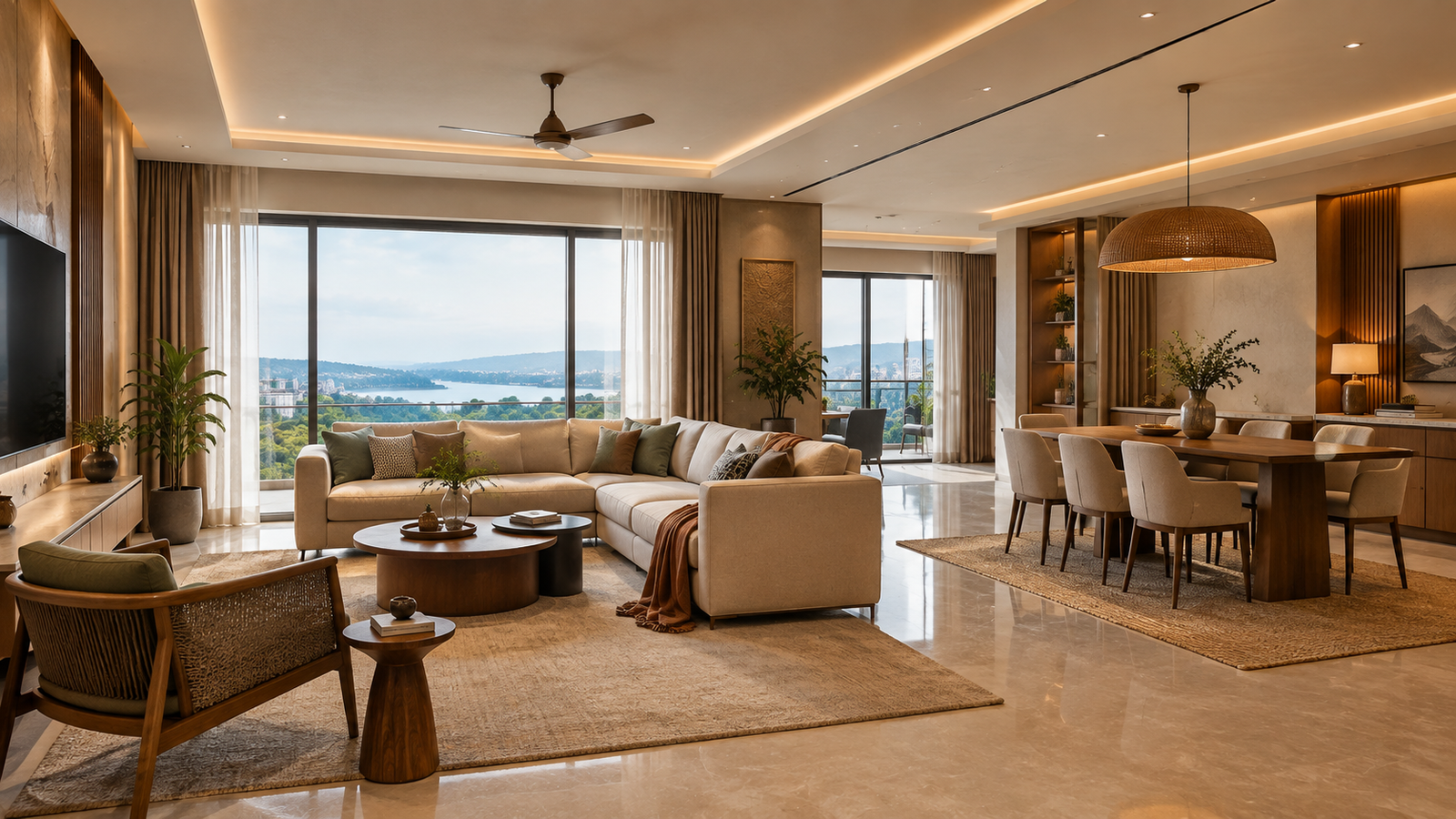
Choosing the right interior design approach can completely change how a home, office, or commercial property looks, feels, and functions. Good interior design is not only about beautiful furniture or attractive colours. It involves space planning, lighting, materials, storage, ergonomics, functionality, and careful execution.
For anyone searching for an Interior Designer in Assam, understanding the design process can make it easier to choose the right professional and make better decisions about their property.
Assam has a distinct architectural and lifestyle character. From apartments and villas in Guwahati to offices, retail stores, cafés, and other commercial spaces across the state, each project has different requirements. A thoughtful interior design approach should respond to the property, the people using it, the local environment, and the client’s budget.
What Does an Interior Designer in Assam Do?
An Interior Designer in Assam helps transform an interior space into an environment that is functional, comfortable, visually balanced, and suited to the people using it.
Depending on the project, the scope can include:
- Space planning
- Furniture layouts
- 3D visualisation
- Material selection
- Colour planning
- Lighting design
- Modular kitchen design
- Wardrobe design
- Custom furniture
- False ceiling design
- Electrical planning
- Interior styling
- Renovation
- Project coordination
- Turnkey execution
The exact scope varies from project to project. A simple apartment makeover may require a different service than a complete villa, corporate office, retail showroom, or restaurant.
The designer’s job is to make the different parts of the interior work together rather than treating each decision separately.
Why Hire a Professional Interior Designer?
Many homeowners begin an interior project by collecting furniture and inspiration images. While this can be useful, it can also create problems when there is no overall plan.
A professional Interior Design Consultant in Assam can help establish priorities before money is spent on materials and furniture.
A designer considers questions such as:
- How will people move through the space?
- How much storage is required?
- Where should furniture be positioned?
- How much natural light does the room receive?
- Which materials are suitable for each area?
- Where should electrical points be located?
- How should artificial lighting be layered?
- What should the project budget prioritise?
- How can the design remain practical over time?
Expert Tip
Do not start by choosing finishes.
Start by understanding how the space needs to work.
Once the layout and functional requirements are clear, aesthetic decisions become much easier.
Residential Interior Design in Assam
Residential interiors need to support everyday life.
An apartment, villa, duplex, or independent house may require different solutions depending on the size of the property and the lifestyle of its occupants.
A Residential Interior Designer in Assam may work on:
- Living rooms
- Bedrooms
- Dining areas
- Kitchens
- Bathrooms
- Home offices
- Kids’ rooms
- Pooja rooms
- Walk-in wardrobes
- Balconies
- Utility areas
- Entertainment spaces
Living Room Design
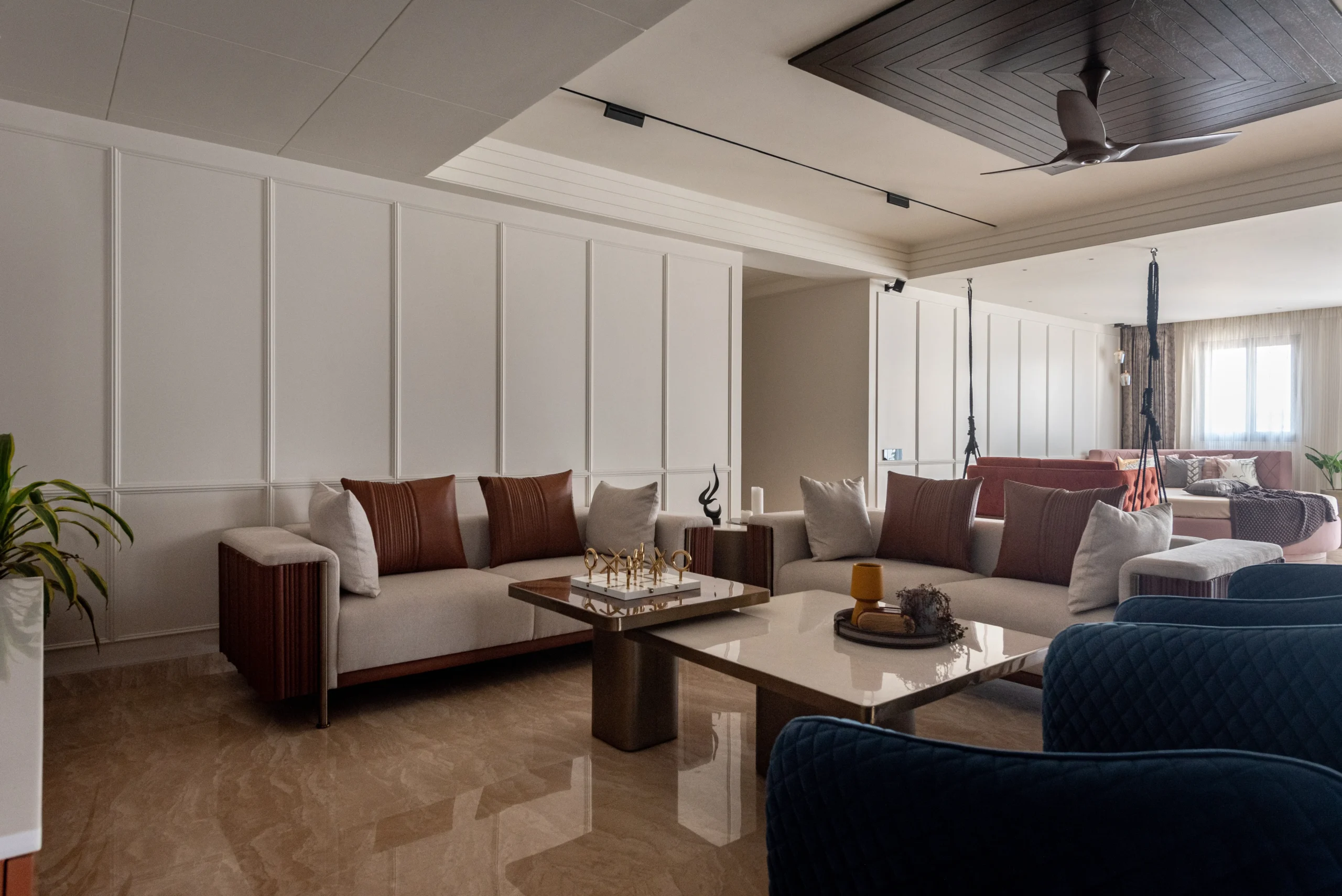
The living room is often one of the most frequently used areas of a home.
The layout should provide comfortable seating while maintaining enough circulation space. The TV unit, coffee table, lighting, curtains, artwork, and storage should also work together visually.
Bedroom Design
A bedroom should feel comfortable and calm while providing practical storage.
Important considerations include:
- Bed position
- Wardrobe placement
- Side tables
- Dressing area
- Reading lights
- Curtains
- Electrical points
- Colour palette
- Storage requirements
Kitchen Design
A kitchen needs particularly careful planning because it combines storage, appliances, work surfaces, movement, lighting, and frequent daily activity.
A professional Home Interior Designer in Assam can help organise cabinets, drawers, appliances, pantry storage, task lighting, and work zones according to the user’s needs.
Commercial Interior Design in Assam
Commercial interiors have a different objective from residential spaces.
An office needs to support work. A restaurant needs efficient movement between service and dining areas. A showroom needs to display products clearly. A retail store needs to guide customers through the space.
A Commercial Interior Designer in Assam may work on:
- Offices
- Retail stores
- Showrooms
- Restaurants
- Cafés
- Clinics
- Hotels
- Corporate spaces
- Reception areas
- Business lounges
Commercial design should begin with operations before decoration.
A beautiful space that makes daily business activities difficult is not a successful commercial interior.
Office Interior Design in Assam
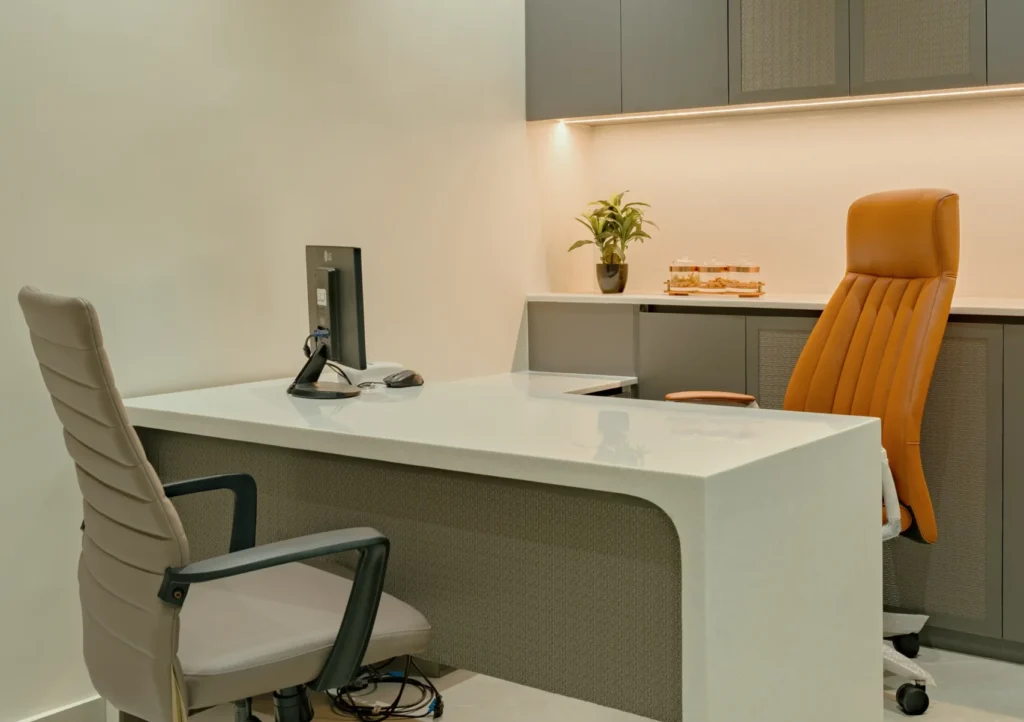
Modern workplaces may include a combination of workstations, private cabins, meeting rooms, collaboration areas, breakout zones, storage, and employee facilities.
An Office Interior Designer in Assam should consider:
- Workstation dimensions
- Seating comfort
- Screen positioning
- Lighting
- Glare
- Acoustic requirements
- Storage
- Circulation
- Electrical points
- Data connections
- Meeting spaces
Ergonomics is particularly important in workspaces because furniture and workstation arrangements affect how comfortably people can use the space.
Research on office seating also highlights that people adopt different sitting postures while performing different tasks, which is one reason furniture should support movement rather than forcing a single position.
Luxury Interior Design in Assam
Luxury interior design is not simply about expensive materials.
A sophisticated interior usually depends on proportion, craftsmanship, detailing, lighting, material coordination, and consistency.
A Luxury Interior Designer in Assam may use:
- Premium natural materials
- Bespoke furniture
- Custom cabinetry
- Designer lighting
- Stone and wood finishes
- High-quality fabrics
- Feature walls
- Decorative metal details
- Custom artwork
- Layered lighting
The key is restraint.
Using expensive materials everywhere does not automatically create a luxurious interior. A well-planned combination of premium finishes, good proportions, lighting, and carefully selected details can often create a stronger result.
Space Planning: The Foundation of Good Design
Space planning should happen before decoration.
A designer first studies the dimensions, openings, circulation routes, structural limitations, furniture requirements, and functional zones.
For example, in a compact apartment, instead of adding more furniture, the designer may introduce:
- Full-height storage
- Built-in cabinets
- Multipurpose furniture
- Concealed storage
- Wall-mounted units
- Space-saving furniture
The objective is to make the existing floor area work harder.
This is one of the reasons professional Modern Interior Design in Assam should focus on functionality as much as visual appearance.
Furniture Layout and Ergonomics
Furniture needs to fit the room—not simply occupy it.
Before selecting furniture, consider:
- Room dimensions
- Door and window positions
- Walking pathways
- Seating requirements
- Storage needs
- Electrical points
- Viewing angles
- Furniture proportions
For offices and study areas, ergonomics becomes especially important.
For homes, comfort and circulation should guide the layout.
Expert Tip
Leave enough space around frequently used furniture. A beautiful room can become frustrating if people have to squeeze between furniture pieces to move around.
Choosing the Right Interior Materials
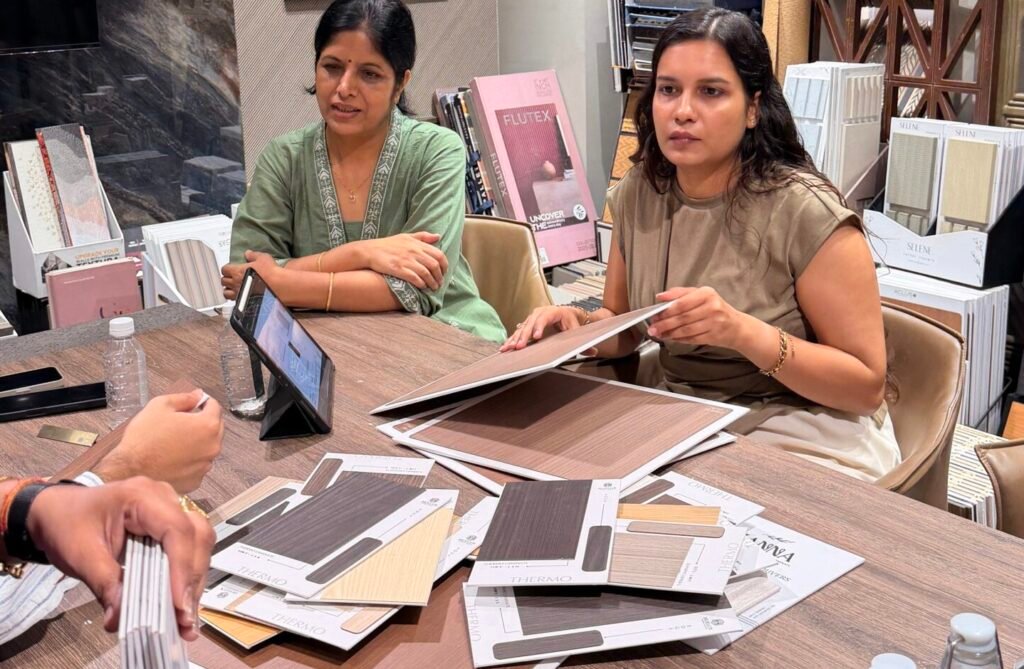
Material selection affects appearance, durability, maintenance, and budget.
Common interior materials include:
| Material | Common Application | Key Consideration |
| Laminate | Cabinets, furniture, wall surfaces | Practical and available in many finishes |
| Veneer | Furniture and cabinetry | Natural wood appearance |
| Plywood | Furniture and cabinetry | Select according to application |
| Quartz | Kitchen countertops | Durable and low-maintenance option |
| Granite | Kitchen and utility areas | Durable natural stone |
| Glass | Partitions and cabinets | Creates visual openness |
| Metal | Furniture and detailing | Useful for structural and decorative elements |
| Paint | Walls and ceilings | Colour and maintenance matter |
| Fabric | Curtains and upholstery | Texture, durability and cleaning |
For homes and businesses in Assam, material choices should also consider moisture, humidity, maintenance, usage, and the specific location where the material will be installed.
When timber is specified, responsibly sourced wood can also be considered as part of a broader sustainability strategy. The Forest Stewardship Council provides certification systems for responsibly sourced forest materials used in construction and interior applications.
Lighting Design
Lighting can dramatically change the atmosphere of an interior.
A good lighting plan generally combines different layers.
Ambient Lighting
Provides overall illumination.
Task Lighting
Provides focused lighting for activities such as cooking, reading, working, or grooming.
Accent Lighting
Highlights artwork, architectural features, shelves, textures, or decorative elements.
Decorative Lighting
Pendant lights, wall sconces, floor lamps, and statement fixtures can become design features themselves.
Expert Tip
Plan electrical points and lighting positions before carpentry and ceiling work begins. Changing them later can lead to rework.
Colour Psychology in Interior Design
Colour influences how a space feels.
Warm neutrals can create a comfortable atmosphere. Soft greens and muted tones can introduce a natural feeling. Deeper colours can add drama when used carefully.
Instead of selecting colours independently, create a complete palette.
A simple approach is:
- Dominant colour: walls or large surfaces
- Secondary colour: furniture or larger finishes
- Accent colour: artwork, cushions, accessories, or smaller features
The amount of natural light should also influence colour selection.
A colour that looks bright in a sunlit showroom may appear very different in a darker room.
Custom and Bespoke Interior Design
Every property has different dimensions and requirements.
A Custom Interior Designer in Assam can create solutions around the actual space rather than relying entirely on standard furniture sizes.
Customisation can include:
- Built-in wardrobes
- Modular kitchens
- TV units
- Study desks
- Bookshelves
- Shoe cabinets
- Dressing units
- Pooja units
- Custom beds
- Bespoke storage
- Feature walls
Custom furniture is especially useful when a room has unusual dimensions or when homeowners have specific storage requirements.
Turnkey Interior Solutions in Assam
Turnkey interior design can simplify project management by bringing several stages under one coordinated process.
Depending on the agreement, Turnkey Interior Solutions in Assam may include:
- Initial consultation
- Site measurement
- Concept development
- Space planning
- Design development
- 3D visualisation
- Material selection
- Budget planning
- Procurement
- Manufacturing
- Site execution
- Installation
- Quality checks
- Final handover
The exact scope should always be clearly defined in the project agreement.
The main advantage is coordination. Instead of managing several independent vendors, the client can have one central team responsible for the agreed scope.
Home Renovation and Interior Design in Assam
Renovating an existing property requires careful evaluation.
Before replacing everything, identify what can be retained and what genuinely needs to change.
A renovation may include:
- Kitchen upgrades
- Bathroom renovation
- Flooring
- Wardrobes
- Lighting
- False ceilings
- Storage
- Furniture
- Wall finishes
- Space reorganisation
Sometimes a home does not need a complete rebuild. Better lighting, improved storage, new finishes, and a more efficient furniture layout can create a significant transformation.
Sustainable Interior Design
Sustainability can begin with simple decisions.
The Indian Green Building Council’s Green Interiors framework addresses areas such as interior materials, energy efficiency, water conservation, indoor environment, and eco-design approaches.
Practical strategies include:
- Choosing durable materials
- Reducing unnecessary waste
- Reusing suitable furniture
- Maximising natural daylight
- Using energy-efficient lighting
- Selecting appropriate low-emission materials
- Considering responsibly sourced wood
- Designing for long-term maintenance
Sustainable design should also be practical. A material that looks environmentally friendly but requires frequent replacement may not be the best long-term choice.
Budget Planning for Interior Design
Budget planning should happen early.
A complete interior budget may include:
- Design fees
- Civil work
- Carpentry
- Kitchen
- Wardrobes
- Electrical work
- Plumbing
- Flooring
- False ceiling
- Painting
- Lighting
- Loose furniture
- Curtains
- Soft furnishings
- Décor
- Transportation
- Installation
How to Control Your Interior Budget
1. Prioritise important areas
Decide where you want to invest more.
2. Compare materials
Look at durability and maintenance—not only appearance.
3. Avoid unnecessary changes
Changes after execution begins can increase cost and delay.
4. Keep contingency
Existing site conditions can sometimes require additional work.
5. Compare quotations by scope
The cheapest quotation is not always the lowest-cost project if important items are excluded.
Common Interior Design Mistakes
1. Designing Without Accurate Measurements
Furniture and cabinetry should be based on actual site dimensions.
2. Ignoring Storage
Storage should be planned before finalising the furniture layout.
3. Choosing Materials Only for Appearance
Every material has a suitable application. A finish that looks beautiful may not be appropriate for a wet or high-use area.
4. Poor Lighting Planning
Lighting should be coordinated with furniture, ceiling design, and daily activities.
5. Overusing Trends
A timeless base with replaceable décor often provides greater flexibility than designing every element around a short-lived trend.
6. Making Late Changes
Last-minute changes can affect materials, labour, cost, and schedule.
7. Forgetting Maintenance
Ask how easily surfaces can be cleaned, repaired, and maintained before approving them.
How to Choose the Right Interior Designer in Assam
Searching for the Best Interior Designer in Assam should not mean choosing a professional simply because their photographs look attractive.
Instead, evaluate the complete process.
Use This Checklist
- Review relevant project experience.
- Study residential and commercial portfolios.
- Understand the design process.
- Ask about material knowledge.
- Discuss your budget openly.
- Confirm the scope of work.
- Ask about project timelines.
- Understand site supervision.
- Check communication procedures.
- Clarify what happens after handover.
The right Professional Interior Designer in Assam should be able to explain why particular design decisions are appropriate for your space.
Look for Relevant Experience
If you are designing a villa, review residential projects.
If you are planning an office, look at workplace projects.
If you are opening a showroom or restaurant, ask for relevant commercial experience.
Project relevance is often more useful than simply looking at the number of projects in a portfolio.
Why Guwahati Is Important for Interior Design in Assam
Guwahati is a major urban centre in Assam and serves as an important location for residential, commercial, retail, and office development.
This makes Interior Designer in Guwahati an important local search for homeowners, businesses, property buyers, builders, and other clients planning interior projects.
A local design team can also better understand practical considerations such as property types, available materials, site conditions, local vendors, and execution requirements.
For homeowners specifically searching for a Home Interior Designer in Guwahati, the focus should be on creating a design that works for the property’s actual dimensions and the family’s lifestyle.
Why Consider an Interior Design Company in Guwahati?
A professional Interior Design Company in Guwahati can bring different parts of an interior project together.
Instead of treating architecture, furniture, lighting, materials, storage, and decoration as separate decisions, a coordinated design process connects them.
NJ Design Studio follows an end-to-end approach that can cover residential and commercial interior requirements, depending on the project’s scope.
The objective is to create interiors that combine functionality, craftsmanship, contemporary aesthetics, and the client’s individual requirements.
A Practical Example: Designing a Modern Apartment
Consider a two-bedroom apartment with limited storage and an open living-dining area.
Instead of filling the apartment with furniture, the design could use:
- A streamlined sofa
- Integrated TV storage
- Full-height wardrobes
- A compact dining table
- Layered lighting
- Neutral wall colours
- A limited material palette
- Multipurpose furniture
The same number of belongings can then be organised more efficiently without making the apartment feel crowded.
This demonstrates an important principle of interior design:
Good design does not necessarily add more things. It makes better use of what is already available.
Conclusion
A successful interior is created by combining many decisions into one coherent design.
Space planning, furniture layout, lighting, materials, colours, storage, ergonomics, budget, execution, and maintenance all matter. Whether you are designing an apartment, villa, office, showroom, restaurant, or commercial property, the right design approach can make the space more functional and enjoyable.
For people searching for an Interior Designer in Assam, the most important step is to choose a professional who understands both design and practical execution.
For projects in Guwahati and across Assam, NJ Design Studio focuses on customised residential and commercial interiors with an emphasis on functionality, contemporary aesthetics, craftsmanship, and end-to-end solutions.
The goal is simple: create spaces that look considered, work efficiently, and continue to feel relevant long after the project is completed.
Ready to Plan Your Interior?
If you’re planning a residential, commercial, luxury, renovation, or turnkey interior project in Assam, start with a clear understanding of your space, lifestyle, budget, and priorities. Then work with an experienced design team to turn those requirements into a practical design.
Frequently Asked Questions
What does an Interior Designer in Assam do?
An Interior Designer in Assam plans and develops interior spaces based on functionality, aesthetics, lifestyle, budget, materials, lighting, furniture, and project requirements. Services may include design development, space planning, custom furniture, renovation, and execution.
How much does interior design cost in Assam?
There is no single fixed cost. The investment depends on the property size, design scope, materials, furniture, civil work, customisation, and execution requirements.
How do I choose the Best Interior Designer in Assam?
Review relevant portfolios, project experience, design process, material knowledge, communication, scope of services, budget transparency, and execution capabilities. Choose a professional whose approach matches your project’s requirements.
What is the difference between an interior designer and an interior decorator?
An interior designer generally addresses broader elements such as space planning, layouts, materials, lighting, furniture, storage, and functionality. An interior decorator usually focuses more on colours, furniture styling, fabrics, artwork, and decorative elements. Some professional studios offer both.
Is turnkey interior design available in Assam?
Yes. Turnkey projects can combine design, material selection, procurement, manufacturing, execution, installation, and handover under one coordinated scope. The exact services should be confirmed in the project agreement.
Can an interior designer renovate an existing home?
Yes. Depending on the scope, renovation can include kitchens, bathrooms, flooring, wardrobes, lighting, storage, false ceilings, furniture, wall finishes, and space reorganisation.
Which materials are suitable for homes in Assam?
Material selection depends on the application, moisture exposure, durability, maintenance, appearance, and budget. Areas exposed to moisture require materials and finishes selected specifically for those conditions.
Is luxury interior design only about expensive materials?
No. Luxury is also created through proportion, craftsmanship, lighting, detailing, material coordination, customisation, and restraint. Expensive materials alone do not guarantee a sophisticated interior.
How important is lighting in interior design?
Lighting affects visibility, comfort, mood, and the way materials and colours appear. Combining ambient, task, accent, and decorative lighting can create a more flexible interior.
Why is space planning important?
Space planning determines how furniture, storage, people, equipment, and circulation work together. Good planning can make a space feel more comfortable and functional without increasing its physical size.