Luxury Interior Designer in Guwahati: Creating Refined Spaces That Feel Personal
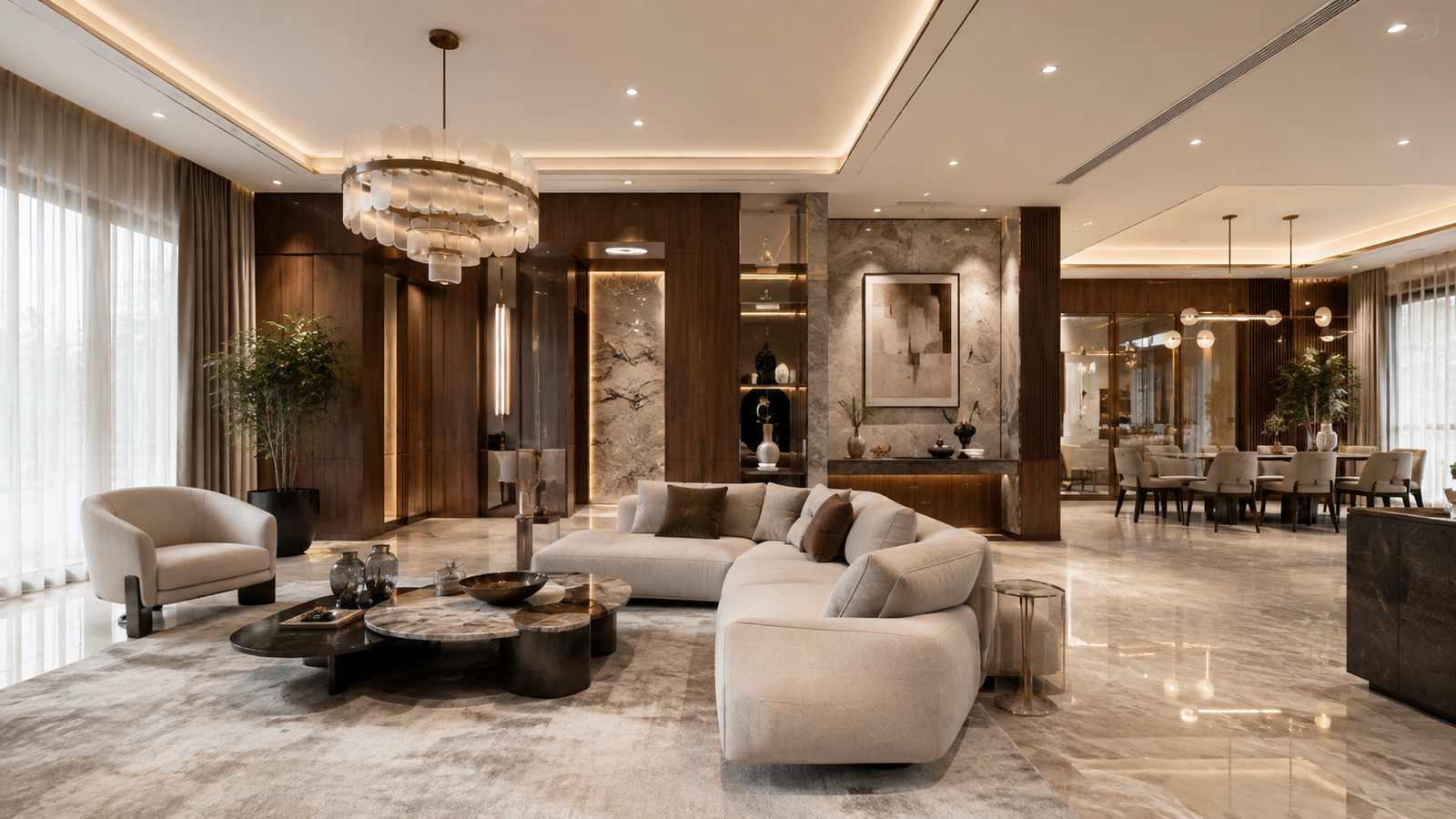
Luxury interior design is not simply about adding expensive furniture, marble surfaces, or decorative elements to a room. True luxury comes from proportion, craftsmanship, comfort, functionality, material quality, and attention to detail.
For homeowners, villa owners, business owners, and property developers looking for a Luxury Interior Designer in Guwahati, the design process should begin with understanding the space and the people who will use it.
A luxury home should feel impressive without feeling uncomfortable. A luxury office should communicate professionalism without becoming overly formal. A premium retail or hospitality space should create an experience while remaining practical for everyday operations.
This is where thoughtful interior planning makes the difference.
What Is Luxury Interior Design?
Luxury interior design is about creating a complete experience rather than decorating individual rooms.
A professional Luxury Interior Designer in Guwahati considers how architecture, furniture, lighting, materials, colours, textures, and technology work together.
Luxury can be expressed through many different design styles:
- Contemporary
- Modern
- Minimalist
- Classic
- Transitional
- Modern Indian
- Japandi-inspired
- Art Deco-inspired
- Bespoke eclectic interiors
The style is less important than the quality of the design decisions.
A well-designed luxury interior should feel intentional. Nothing should appear randomly placed or added simply to fill an empty space.
What Makes an Interior Feel Luxurious?
There is no single formula for luxury. However, several elements consistently contribute to a premium interior experience.
1. Proportion
Furniture should be appropriately sized for the room.
An oversized sofa can make a living room feel crowded, while furniture that is too small can make a large room feel disconnected.
2. Material Quality
Materials create much of the tactile experience of an interior.
Natural stone, quality wood finishes, premium fabrics, glass, metal, veneer, textured surfaces, and carefully selected laminates can all contribute to a sophisticated look when used appropriately.
3. Layered Lighting
Luxury spaces rarely depend on one light source.
Ambient, task, and accent lighting can work together to create different moods and highlight architectural features.
4. Customisation
A bespoke interior is designed around the specific requirements of the client.
Custom furniture, built-in storage, tailored wardrobes, unique wall treatments, and individually planned lighting can make a space feel more personal.
5. Consistency
Luxury is also about visual continuity.
Materials, colours, hardware, lighting temperatures, furniture profiles, and architectural details should work together rather than competing for attention.
Luxury Space Planning
Before selecting furniture or finishes, the space needs to be planned.
Luxury space planning considers:
- Room proportions
- Furniture dimensions
- Circulation
- Natural light
- Views
- Door and window positions
- Storage requirements
- Electrical points
- Privacy
- Functional zones
For example, in a large living room, simply placing a large sofa in the centre may not create a successful layout.
The room could instead be divided into multiple zones:
Conversation area + reading corner + entertainment zone + display/storage
This creates a more useful and visually balanced space.
Expert Tip: Luxury is often created by giving important elements enough breathing room. Empty space can be just as valuable as furniture and décor.
Luxury Living Room Interior Design
The living room often establishes the visual language of the entire home.
A luxury living room may include:
- Custom seating
- Statement coffee table
- Designer lighting
- Feature wall
- Custom entertainment unit
- Artwork
- Decorative accessories
- Premium curtains
- Natural or engineered stone
- Bespoke cabinetry
However, the objective should not be to include every luxury element in one room.
A sophisticated interior often uses one or two strong focal points and allows the remaining elements to support them.
For example, a sculptural chandelier can become the focal point while the furniture and wall finishes remain comparatively understated.
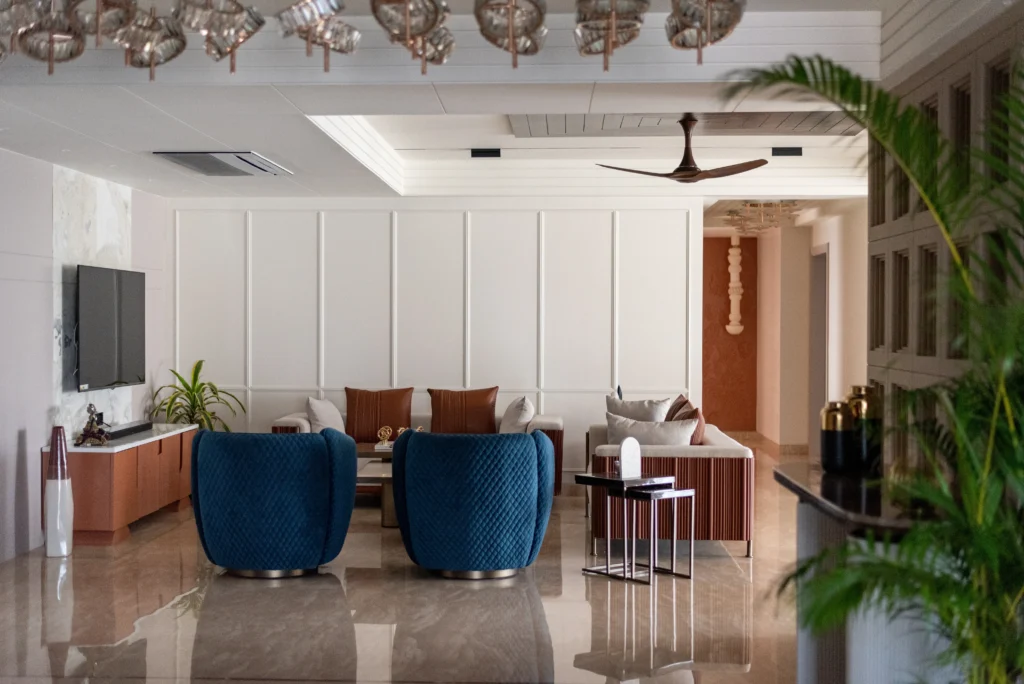
Luxury Bedroom Interior Design
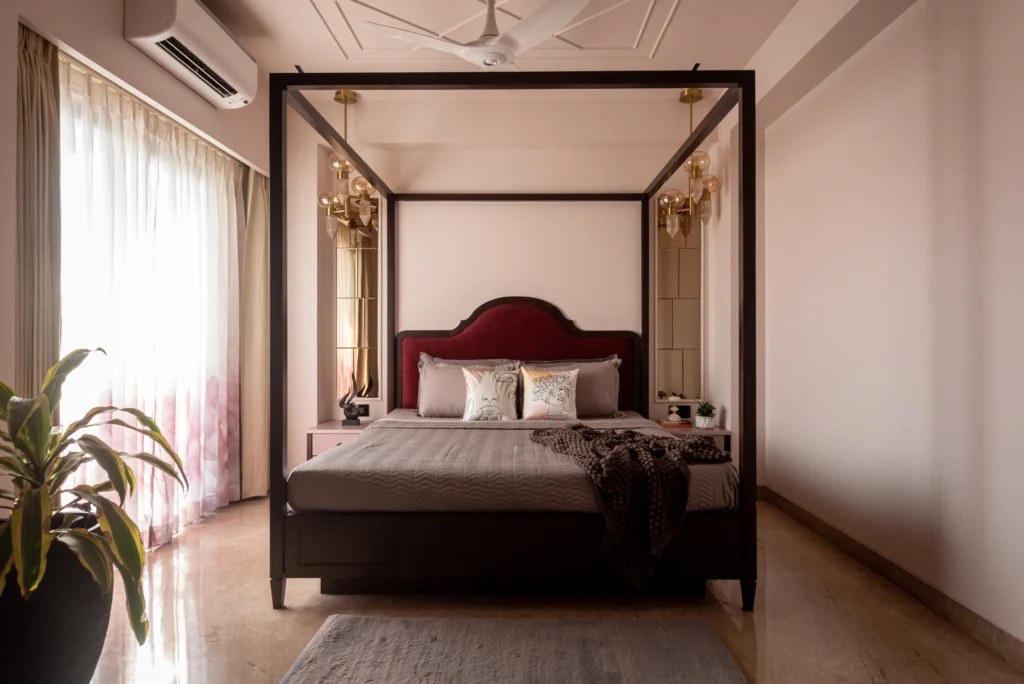
A luxury bedroom should feel calm, private, and comfortable.
Instead of relying on excessive decoration, designers can create richness through:
- Upholstered headboards
- Layered fabrics
- Warm lighting
- Natural textures
- Custom bedside tables
- Full-height wardrobes
- Integrated dressing areas
- Soft neutral colours
- Carefully selected artwork
Colour Psychology
Bedrooms benefit from colours that encourage relaxation.
Warm neutrals, muted earth tones, soft greens, beige, taupe, and subtle wood tones can create a peaceful environment.
Bolder colours can still be used, but they are often more effective as accents rather than dominating the entire room.
Luxury Modular Kitchen Design
A premium kitchen should combine appearance with efficient workflow.
A Luxury Modular Kitchen Design may incorporate:
- High-quality cabinetry
- Integrated appliances
- Premium countertops
- Tall storage units
- Pantry systems
- Soft-close hardware
- Under-cabinet lighting
- Dedicated appliance zones
- Hidden storage
- Custom organisation systems
The kitchen should be planned around the homeowner’s actual cooking habits.
Someone who cooks frequently may need generous preparation surfaces and accessible storage, while a homeowner who entertains often may prioritise appliance integration and larger serving areas.
Luxury Dining Room Interior Design
A dining room should feel elegant while remaining practical.
Important considerations include:
- Table size
- Seating capacity
- Circulation around the table
- Pendant or chandelier positioning
- Storage
- Lighting temperature
- Relationship with the kitchen and living area
A carefully positioned pendant light above the dining table can establish a strong visual centre without requiring excessive decoration.
Luxury Bathroom Interior Design
Bathrooms can become some of the most refined spaces in a home when materials and lighting are carefully coordinated.
A premium bathroom may incorporate:
- Large-format tiles
- Natural or engineered stone
- Floating vanity
- Backlit mirror
- Concealed storage
- Glass shower enclosure
- Premium sanitaryware
- Feature lighting
- Heated or illuminated mirrors where appropriate
At the same time, practical considerations such as ventilation, drainage, water exposure, cleaning, and slip resistance should never be sacrificed for appearance.
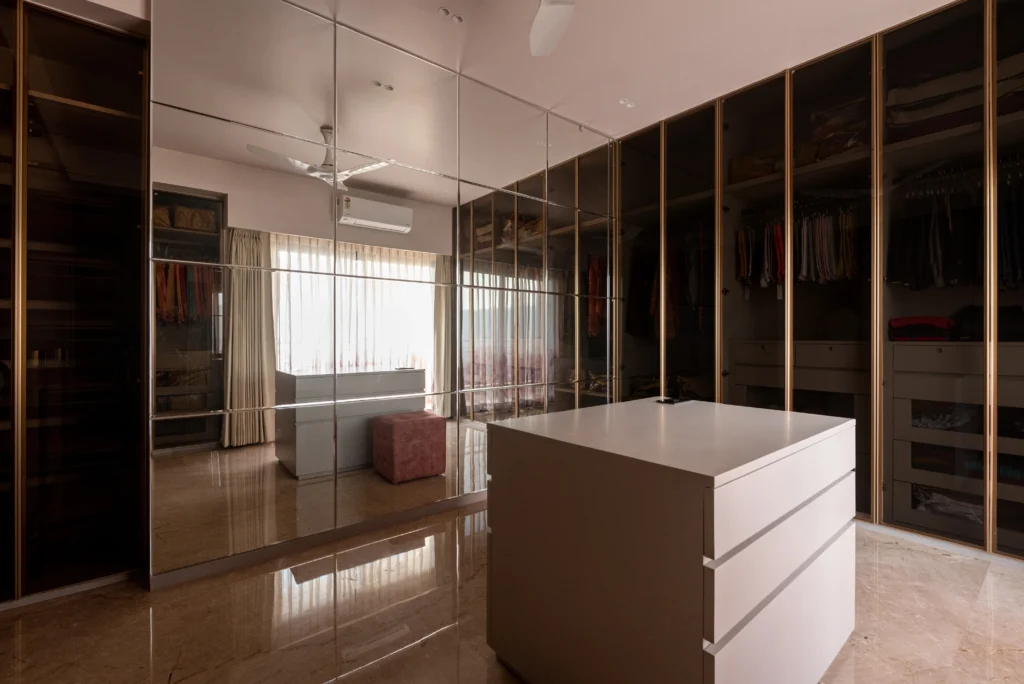
Luxury Walk-In Wardrobe Design
A walk-in wardrobe should make getting ready easier, not simply look impressive.
Good planning can include separate zones for:
- Hanging clothes
- Folded clothing
- Shoes
- Accessories
- Bags
- Watches and jewellery
- Dressing
- Laundry
Integrated lighting inside cabinets and drawers can improve usability while creating a refined visual experience.
Premium Materials and Custom Furniture
Luxury interiors are often defined by the quality and consistency of their details. A premium material does not automatically create a luxurious space; it needs to be selected and used appropriately.
A professional Luxury Interior Designer in Guwahati considers the material’s appearance, durability, maintenance requirements, application, and relationship with other finishes.
Common Materials for Luxury Interiors
| Material | Typical Application | Design Benefit |
| Natural Stone | Flooring, walls, countertops | Rich texture and visual depth |
| Quartz | Kitchen and vanity surfaces | Clean, contemporary appearance |
| Veneer | Furniture and wall panels | Natural wood character |
| Premium Laminates | Cabinetry and furniture | Wide range of finishes |
| Glass | Partitions, doors and displays | Creates visual openness |
| Metal | Furniture and detailing | Adds refined accents |
| Upholstery | Sofas, beds and seating | Adds comfort and softness |
| Textured Finishes | Feature walls | Adds visual depth |
The right combination of materials is usually more important than using the most expensive material available.
Luxury Furniture Design
Furniture plays a major role in defining the character of a luxury interior.
Luxury Furniture Design should consider both aesthetics and ergonomics. A beautifully designed sofa, for example, still needs to provide comfortable seating.
Custom furniture can be especially useful when the available space has unusual dimensions or specific functional requirements.
Custom Furniture Can Include
- TV consoles
- Sofas
- Dining tables
- Bed frames
- Bedside tables
- Study desks
- Display units
- Bar cabinets
- Bookshelves
- Wardrobes
- Vanity units
Custom furniture also allows different elements of a home to share consistent materials, proportions, and detailing.
Luxury Lighting Design
Lighting deserves to be planned alongside the architecture and furniture rather than being treated as a finishing touch.
A well-designed luxury interior may combine:
Ambient Lighting
Provides general illumination.
Task Lighting
Supports activities such as reading, cooking, dressing, and working.
Accent Lighting
Highlights artwork, architectural details, textures, shelving, or decorative objects.
Decorative Lighting
Adds visual character through chandeliers, pendant lights, wall sconces, or sculptural fixtures.
The colour temperature of the lighting should also be considered. Warm lighting can create a comfortable residential atmosphere, while brighter neutral lighting may be more suitable for specific work areas.
Luxury False Ceiling Design
A false ceiling can conceal services, accommodate lighting, and create architectural definition.
However, a luxury ceiling does not need to be complicated.
A clean ceiling with carefully positioned recessed lights, concealed LED strips, and one well-placed decorative fixture can often create a more sophisticated result than an overly detailed design.
The ceiling should respond to the room’s scale and architecture.
Premium Home Styling
Once the major elements are complete, styling adds the final layer.
Premium home styling can include:
- Artwork
- Rugs
- Curtains
- Cushions
- Indoor plants
- Decorative objects
- Mirrors
- Books
- Sculptural accessories
The key is restraint.
A luxury interior can quickly feel cluttered when too many decorative elements compete for attention. Every accessory should have a purpose, whether visual, functional, or emotional.
Turnkey Luxury Interior Design
For homeowners and businesses, coordinating multiple contractors can be challenging.
Turnkey Luxury Interior Design brings several stages of the project together under one coordinated process.
A typical turnkey workflow may include:
- Initial consultation
- Site measurement
- Requirement analysis
- Concept development
- Space planning
- 3D visualisation
- Material selection
- Detailed drawings
- Budget planning
- Procurement
- Site execution
- Installation
- Quality checks
- Final handover
The exact scope depends on the project and should be clearly defined in the agreement.
A coordinated process can also make communication easier because design decisions, procurement, and execution are connected.
Luxury Interior Execution
Great design only works when it is executed properly.
Luxury Interior Execution requires attention to details such as:
- Accurate measurements
- Joinery quality
- Surface finishing
- Hardware installation
- Lighting alignment
- Stone and tile joints
- Paint quality
- Furniture installation
- Electrical coordination
- Final detailing
For example, a beautifully designed wardrobe can lose its visual impact if the shutters are poorly aligned or the hardware is incorrectly installed.
Execution quality is therefore an essential part of the overall design experience.
Luxury Commercial Interior Design in Guwahati
Luxury design is not limited to residential properties.
Businesses increasingly use interior design to create a stronger experience for customers, employees, and visitors.
A Luxury Commercial Interior Designer in Guwahati may work on:
- Corporate offices
- Premium offices
- Retail stores
- Restaurants
- Hotels
- Showrooms
- Clinics
- Boutiques
- Hospitality spaces
Each type of commercial property has different functional requirements.
For example, a luxury showroom needs strong product visibility and customer circulation, while a premium office needs a balance between brand identity, employee comfort, meeting spaces, storage, and productivity.
Luxury Office Interior Design
A premium office should communicate the identity of the business without becoming impractical.
A Luxury Office Interior Design in Guwahati may include:
- Reception statement walls
- Executive cabins
- Premium meeting rooms
- Acoustic treatments
- Custom storage
- Integrated technology
- Feature lighting
- Comfortable workstations
- Breakout spaces
- Brand-focused design elements
The most successful offices balance visual impact with ergonomics.
Luxury Retail and Showroom Interiors
Retail interiors need to guide customers through the space.
A Luxury Showroom Interior Design should consider:
- Customer movement
- Product visibility
- Display hierarchy
- Lighting
- Branding
- Storage
- Checkout areas
- Staff requirements
Lighting becomes especially important because it can influence how products, materials, colours, and textures are perceived.
Luxury Restaurant and Hospitality Interiors
Restaurants and hotels require an additional layer of consideration because the interior becomes part of the customer’s experience.
A Luxury Restaurant Interior Design in Guwahati may focus on:
- Seating comfort
- Table spacing
- Lighting atmosphere
- Acoustics
- Material durability
- Kitchen-to-service movement
- Brand identity
- Photography-friendly spaces
Similarly, a luxury hotel interior needs to balance aesthetics with durability, maintenance, guest comfort, and operational requirements.
Budget Planning for Luxury Interiors
Luxury does not mean spending without limits.
Even premium projects need careful budget planning.
A practical budget should account for:
| Category | Examples |
| Design | Concept, drawings, visualisation |
| Civil Work | Modifications and construction |
| Carpentry | Wardrobes, cabinetry, custom furniture |
| Kitchen | Cabinets, countertop, hardware |
| Electrical | Wiring, switches, lighting |
| Materials | Stone, wood, glass, finishes |
| Furniture | Sofas, beds, dining furniture |
| Styling | Rugs, curtains, artwork, accessories |
| Execution | Installation and site coordination |
Expert Tip
Decide where you want to invest and where you can simplify.
For example, investing in high-quality kitchen hardware, wardrobe mechanisms, upholstery, and lighting may provide more long-term value than spending heavily on decorative items that are rarely used.
Sustainability in Luxury Interiors
Luxury and sustainability do not have to be opposites.
A thoughtfully designed premium interior can incorporate sustainable principles through:
- Durable materials
- Efficient LED lighting
- Natural daylight
- Better ventilation
- Responsible material sourcing
- Low-waste planning
- Repairable furniture
- Long-lasting finishes
The most sustainable interior is often one that remains useful and attractive for many years instead of needing frequent replacement.
Common Luxury Interior Design Mistakes
1. Trying to Make Everything a Statement
Too many focal points can make a room visually chaotic.
2. Choosing Materials Only for Appearance
Premium materials still need to be suitable for their application.
3. Ignoring Comfort
A luxury sofa, chair, or bed should look good and feel comfortable.
4. Overcomplicating the Ceiling
Complex ceiling designs can overwhelm smaller rooms.
5. Poor Lighting Planning
Beautiful materials can look very different under poorly planned lighting.
6. Ignoring Maintenance
A high-maintenance material may not be appropriate for a frequently used area.
7. Designing Without a Clear Budget
A design should be developed with realistic financial boundaries from the beginning.
How to Choose a Luxury Interior Designer in Guwahati
Before selecting a designer, evaluate the complete design and execution process.
Ask These Questions
- What type of luxury projects have you completed?
- Can I see relevant residential or commercial projects?
- How do you develop the initial design concept?
- What services are included?
- Who manages the execution?
- How are material selections handled?
- How are design changes managed?
- How is the project budget documented?
- What is the expected timeline?
- What happens during the final handover?
A good designer should be able to explain the process clearly rather than simply presenting attractive visualisations.
Why Choose NJ Design Studio?
NJ Design Studio is a Guwahati-based interior design studio working across residential and commercial spaces.
The studio’s approach focuses on combining space planning, contemporary aesthetics, custom furniture, material selection, lighting, functionality, and project execution to create interiors tailored to each client’s requirements.
For clients seeking Luxury Interior Design in Assam, the goal should be to create a space that feels refined without losing its sense of comfort and individuality.
You can explore NJ Design Studio’s work and services here:
Conclusion
Luxury interior design is not about making a space look expensive. It is about creating an environment where design, comfort, functionality, craftsmanship, and personal style work together.
A successful luxury interior begins with thoughtful space planning and continues through material selection, custom furniture, lighting, detailing, and professional execution.
For homeowners, villas, offices, retail spaces, restaurants, hotels, and showrooms in Guwahati, choosing the right Luxury Interior Designer in Guwahati can help transform a property into a refined and functional environment.
The best approach is to create interiors that feel sophisticated today while remaining practical and relevant for years to come.
At NJ Design Studio, the focus is on creating personalised interiors that combine contemporary aesthetics with thoughtful planning and execution.
Frequently Asked Questions
What does a Luxury Interior Designer in Guwahati do?
A luxury interior designer plans and develops premium residential or commercial spaces based on the client’s lifestyle, functional requirements, design preferences, and budget. The scope can include space planning, furniture, materials, lighting, kitchens, wardrobes, styling, and execution.
What is considered luxury interior design?
Luxury interior design generally focuses on quality, proportion, craftsmanship, comfort, customisation, and attention to detail. It does not necessarily mean using the most expensive materials.
How much does luxury interior design cost in Guwahati?
There is no single fixed price because project costs depend on property size, materials, furniture, customisation, civil work, lighting, design complexity, and execution requirements. A detailed scope and site assessment are recommended before finalising a budget.
Can luxury interiors be designed for apartments?
Yes. Luxury design can work in apartments as well as villas and independent homes. The design should respond to the available space rather than simply trying to replicate the appearance of a large luxury residence.
What is turnkey luxury interior design?
Turnkey luxury interior design is a coordinated approach where design, material selection, procurement, execution, installation, and related project activities are managed as part of one overall process. The exact scope depends on the agreement.
Can NJ Design Studio design commercial luxury interiors?
A professional interior design studio can work across different commercial environments depending on its project scope and capabilities. Commercial luxury interiors may include offices, showrooms, retail spaces, restaurants, hospitality environments, and other premium properties.
How important is lighting in luxury interiors?
Lighting is extremely important because it affects the appearance, mood, functionality, and perception of materials. Combining ambient, task, accent, and decorative lighting can create a more layered interior.
Should every room in a luxury home look different?
Not necessarily. A consistent material palette, colour scheme, hardware language, and lighting approach can create visual continuity throughout a home while allowing individual rooms to have their own character.
How can I make my home look luxurious without overspending?
Focus on proportion, lighting, furniture placement, material coordination, colour balance, and decluttering. A carefully designed space can feel sophisticated without relying on expensive decorative elements everywhere.
How do I choose the right luxury interior designer?
Review relevant project portfolios, understand the designer’s process, ask about materials and execution, clarify the scope of work, discuss the budget, and make sure communication and project responsibilities are clearly established.
Ready to Create a More Refined Space?
Whether you are planning a luxury residence, upgrading an apartment, developing a premium office, or creating a high-end commercial environment, the design should reflect both your requirements and your identity.
NJ Design Studio works on thoughtfully planned interior spaces in Guwahati and beyond, with an emphasis on contemporary aesthetics, functionality, customisation, and execution.
Explore the studio: