Residential Interior Designer in Guwahati: Designing Homes for Modern Living
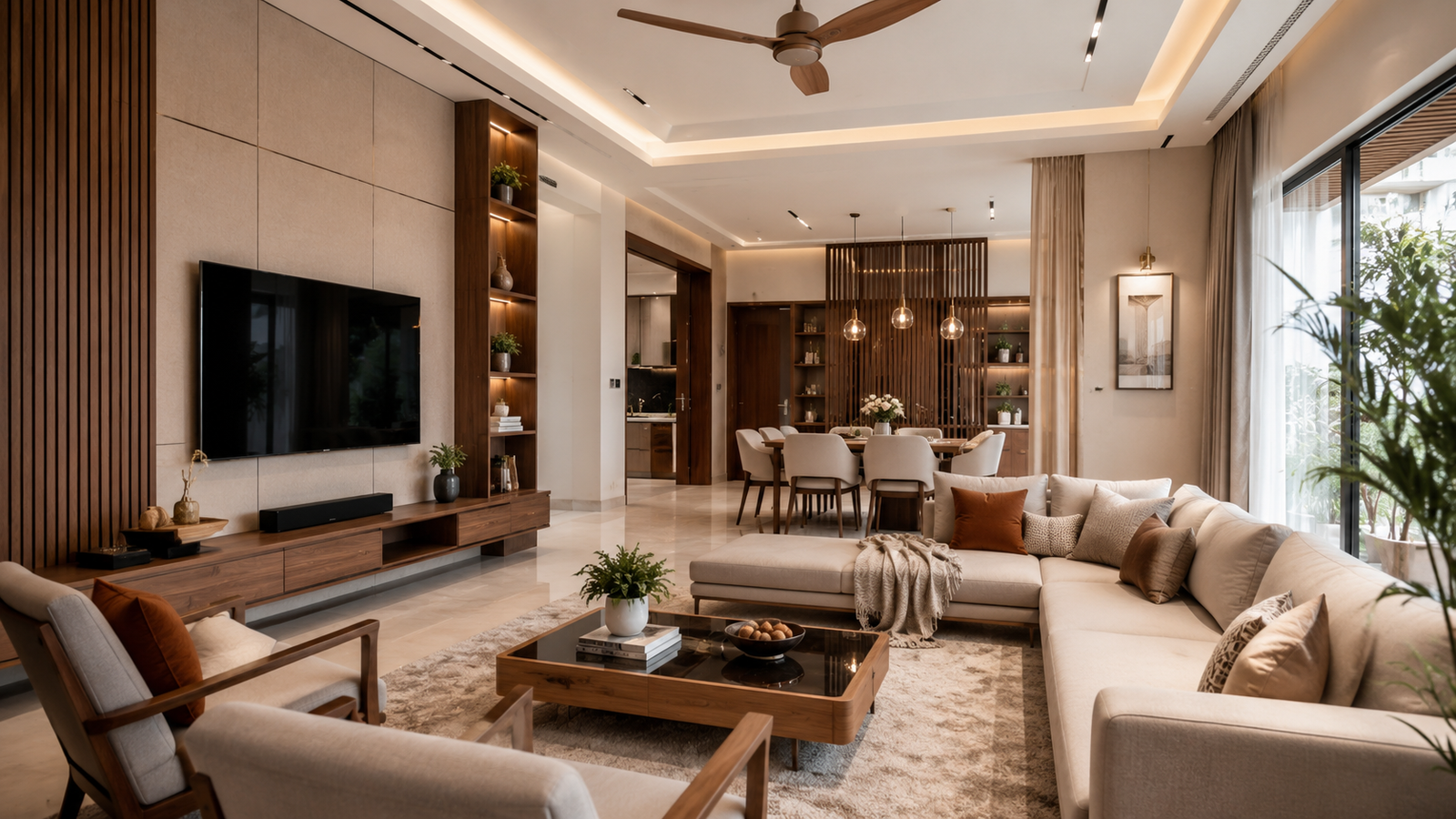
A home should feel comfortable, functional, and personal. Whether you own an apartment, villa, duplex, or independent house, thoughtful interior planning can make a significant difference in how you experience your space every day.
Choosing an experienced Residential Interior Designer in Guwahati can help transform an empty or outdated property into a well-planned home that reflects your lifestyle. Professional residential interior design involves much more than selecting furniture and colours. It combines space planning, storage, lighting, materials, furniture layouts, ergonomics, and aesthetics into one cohesive design.
For homeowners in Guwahati and across Assam, local considerations also matter. Climate, available space, lifestyle, maintenance requirements, and material selection should all be considered before beginning an interior project.
At NJ Design Studio, residential interiors are approached with a focus on functionality, customised design, craftsmanship, and the individual requirements of each client.
What Does a Residential Interior Designer Do?
A Residential Interior Designer in Guwahati helps homeowners plan and execute the interiors of their homes from concept to completion.
The scope can include:
- Space planning
- Furniture layout
- 3D visualisation
- Modular kitchen design
- Wardrobe design
- Custom furniture
- Lighting design
- Colour selection
- Material selection
- False ceiling design
- Home renovation
- Décor and styling
- Turnkey project execution
The designer’s role is to ensure that individual design decisions work together rather than treating each room as a separate project.
A Simple Example
Imagine a two-bedroom apartment with limited storage.
Instead of simply adding wardrobes, a designer may study the entire layout and identify opportunities for:
- Full-height storage
- Multi-functional furniture
- Concealed cabinets
- Space-saving furniture
- Better circulation
- Under-utilised wall areas
The result can be a home that feels more spacious without increasing its actual floor area.
Why Residential Interior Design Matters
Good residential design should answer three basic questions:
Does it work? Does it feel comfortable? Does it reflect the people who live there?
A professionally planned interior can improve:
- Space utilisation
- Storage capacity
- Movement and circulation
- Lighting
- Visual balance
- Daily convenience
- Maintenance
- Overall comfort
For example, a family with children may need more durable finishes and flexible storage, while a working couple may prioritise a home office, compact kitchen, and easy-to-maintain materials.
This is why a personalised approach is more useful than simply copying a design seen online.
Living Room Interior Design in Guwahati
The living room is usually one of the most visible areas of a home. It needs to accommodate everyday family activities while remaining welcoming for guests.
A Residential Interior Designer in Guwahati will typically consider the room’s dimensions, natural light, entry points, furniture requirements, and viewing angles before developing the layout.
Important Elements
- Sofa and seating arrangement
- TV or entertainment unit
- Feature wall
- Coffee table
- Storage
- Curtains
- Decorative lighting
- Indoor plants
- Artwork and accessories
Expert Tip Avoid filling every available corner with furniture. Adequate circulation space can make a room feel more comfortable and visually spacious.
Bedroom Interior Design
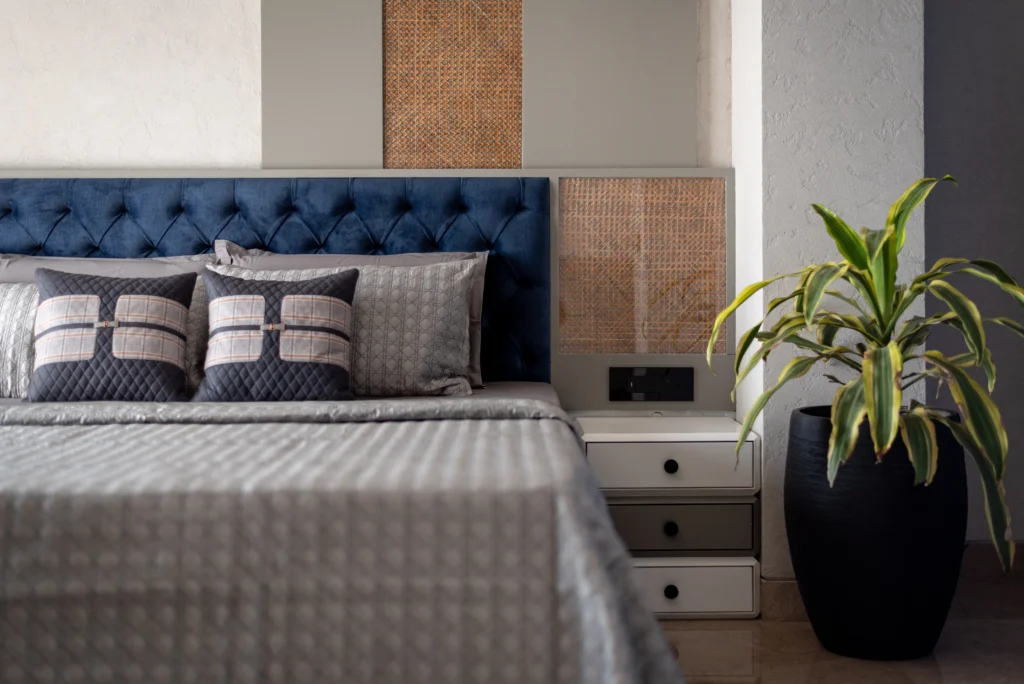
Bedrooms should support relaxation while providing enough storage for everyday needs.
A well-planned bedroom considers:
- Bed position
- Wardrobe location
- Side tables
- Dressing area
- Reading lights
- Electrical points
- Curtains
- Colour palette
- Storage requirements
Colour Psychology
Soft neutrals, muted greens, warm beige, and other calm tones can create a relaxed atmosphere. Stronger colours can be introduced through accent walls, upholstery, artwork, or accessories.
The important factor is balance rather than following a particular colour trend.
Modular Kitchen Design
The kitchen combines storage, movement, appliances, and frequent daily activity. Poor planning can quickly make a kitchen inconvenient.
A professional Home Interior Designer in Guwahati can plan the kitchen around the user’s cooking habits and available space.
Key Considerations
- Work triangle or efficient work zones
- Countertop height
- Cabinet accessibility
- Appliance placement
- Drawer organisation
- Pantry storage
- Task lighting
- Ventilation
- Easy-to-clean surfaces
For homes in Guwahati, material selection should also consider moisture, maintenance, and durability.
Dining and Common Areas
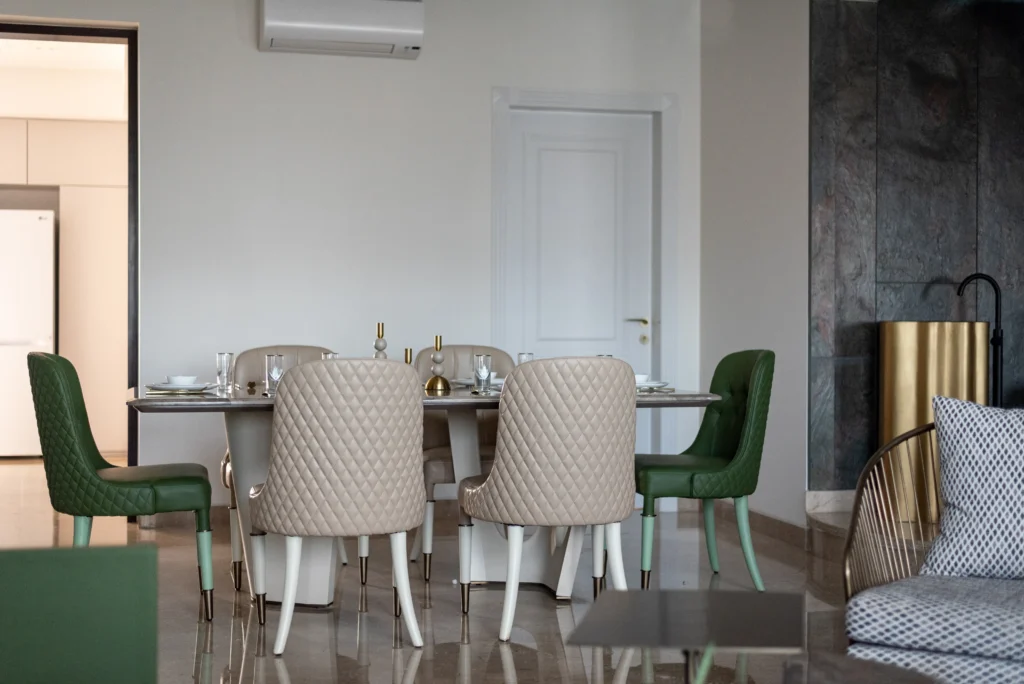
Dining areas should allow comfortable seating and sufficient movement around the table.
For smaller apartments, the dining area can be integrated with the living room or kitchen. Compact tables, benches, extendable furniture, and wall-mounted storage can help maximise available space.
A pendant light above the dining table can also provide a visual focal point while creating a warmer atmosphere.
Bathroom Interior Design
Bathrooms need to balance aesthetics with safety and maintenance.
Important considerations include:
- Anti-skid flooring
- Water-resistant materials
- Proper ventilation
- Adequate lighting
- Storage
- Quality sanitaryware
- Correct drainage
- Easy-to-clean surfaces
A good bathroom design should remain practical even after years of regular use.
What does a Residential Interior Designer in Guwahati do?
A Residential Interior Designer in Guwahati plans and designs home interiors by optimising space, furniture layouts, storage, lighting, colours, materials, and functionality. Depending on the project, the designer may also manage custom furniture, renovation, and turnkey execution.
Custom Home Interior Design in Guwahati
Every home has different requirements. A family with children may need durable finishes and additional storage, while a couple may prefer open spaces, minimal furniture, and a dedicated work area.
A Custom Home Interior Designer in Guwahati develops solutions around these individual requirements instead of applying the same design to every property.
Customisation Can Include
- Built-in wardrobes
- Custom TV units
- Modular kitchens
- Study desks
- Bookshelves
- Shoe storage
- Dressing units
- Home offices
- Pooja units
- Multipurpose furniture
- Bespoke wall treatments
The objective is to make the available space work better for the people using it.
Material Selection for Residential Interiors
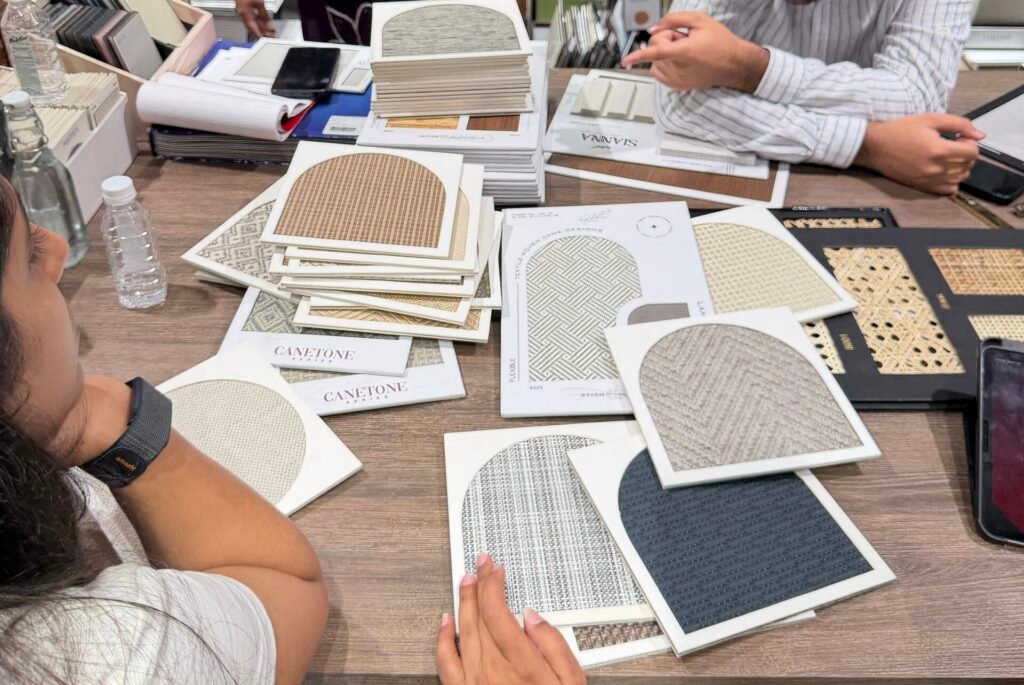
Material selection affects the appearance, durability, maintenance, and overall performance of an interior.
For homes in Guwahati, homeowners should consider the local climate, especially moisture and humidity, when selecting materials for kitchens, wardrobes, bathrooms, and other areas.
Common Interior Materials
| Material | Common Application | Key Consideration |
| BWR Plywood | Furniture & cabinetry | Suitable for areas where moisture resistance matters |
| Marine Plywood | Kitchen & wet-area cabinetry | Higher moisture resistance |
| Laminates | Cabinets & wall surfaces | Available in many finishes and easy to maintain |
| Veneer | Premium furniture | Natural wood appearance |
| Quartz | Kitchen countertops | Durable and relatively easy to maintain |
| Granite | Kitchen surfaces | Durable and widely used |
| Glass | Partitions & cabinets | Creates a lighter visual appearance |
| Metal | Furniture & detailing | Useful for structural and decorative elements |
Material decisions should be based on the specific application rather than appearance alone.
Lighting Design for Residential Interiors
Lighting can completely change the character of a room. A good lighting plan combines functionality with ambience instead of relying on a single light source.
Three Important Types of Lighting
1. Ambient Lighting
Provides general illumination throughout a room.
2. Task Lighting
Provides focused light for activities such as cooking, reading, studying, or working.
3. Accent Lighting
Highlights artwork, wall textures, architectural features, shelves, or decorative elements.
A layered lighting plan allows homeowners to adjust the atmosphere depending on the time of day and activity.
Expert Tip Plan electrical points and lighting positions before carpentry and ceiling work begins. Changing them later can increase cost and create unnecessary rework.
Budget Planning for Home Interiors
One of the most common challenges homeowners face is managing the interior budget.
A realistic budget should consider both visible and hidden costs rather than focusing only on furniture or decorative finishes.
Major Budget Categories
- Design and consultation
- Civil modifications
- Carpentry
- Modular kitchen
- Wardrobes
- Electrical work
- Plumbing
- Flooring
- False ceiling
- Painting
- Lighting
- Loose furniture
- Curtains and soft furnishings
- Décor and accessories
How to Control Your Budget
1. Establish Priorities
Decide which areas are most important before selecting materials.
2. Compare Materials
Look at durability, maintenance, warranty, and appearance—not just the initial price.
3. Avoid Frequent Design Changes
Changes after execution begins can increase both cost and project duration.
4. Keep a Contingency
Unexpected site conditions can arise during renovation or execution, so keeping some budget flexibility is sensible.
Turnkey Residential Interior Design
A Residential Interior Design Company in Guwahati may offer turnkey solutions where one team manages multiple stages of the project.
This can be particularly useful for homeowners who do not have the time to coordinate separate contractors, carpenters, electricians, painters, and suppliers.
A Typical Turnkey Process
- Consultation
- Site measurement
- Design development
- 3D visualisation
- Budget planning
- Material selection
- Procurement
- Site execution
- Installation
- Quality inspection
- Final handover
The exact scope varies from project to project, so homeowners should confirm what is included before work begins.
Home Renovation Services in Assam
Renovating an existing home requires a different approach from designing a new property.
An experienced Residential Interior Designer in Assam first evaluates what can be retained, what needs modification, and where the existing layout creates problems.
Common Renovation Requirements
- Kitchen upgrades
- Bathroom renovation
- Flooring replacement
- New wardrobes
- Lighting upgrades
- Wall treatments
- False ceilings
- Storage improvements
- Furniture replacement
- Space reorganisation
The best renovation decisions are not always the most expensive ones. Sometimes improving lighting, storage, circulation, and finishes can make a significant difference without completely rebuilding a space.
Sustainable Residential Interior Design
Sustainable design does not necessarily mean using expensive or unusual materials. It can begin with simple decisions that reduce waste and improve long-term efficiency.
Practical Approaches
- Use durable materials that do not need frequent replacement.
- Choose energy-efficient LED lighting.
- Make better use of natural daylight.
- Improve natural ventilation where possible.
- Select low-VOC paints where appropriate.
- Use responsibly sourced wood products.
- Avoid unnecessary decorative materials.
- Design storage to reduce future furniture replacement.
A sustainable home should also be easy to maintain. Durability and repairability are important parts of responsible interior design.
Common Residential Interior Design Mistakes
Even a good design can fail if basic planning is overlooked.
1. Designing Without Measuring
Furniture and cabinetry should be based on accurate site dimensions.
2. Ignoring Storage
Storage requirements should be discussed before finalising the furniture layout.
3. Choosing Materials Only for Appearance
A beautiful material may not be appropriate for every application.
4. Poor Furniture Placement
Furniture should allow comfortable movement rather than simply filling empty space.
5. Insufficient Electrical Planning
Sockets, switches, appliances, lighting, and charging points should be considered early.
6. Overusing Trends
Trendy finishes can date quickly. A timeless base with replaceable décor elements often provides greater flexibility.
7. Making Last-Minute Changes
Changes during execution can affect budgets, schedules, and other parts of the design.
How to Choose the Right Residential Interior Designer in Guwahati
Before selecting a design professional, homeowners should look beyond photographs on social media.
Consider:
- Relevant residential project experience
- Portfolio quality
- Design approach
- Material knowledge
- Project execution capability
- Communication process
- Scope of services
- Budget transparency
- Project timeline
- After-handover support
Ask the designer to explain how they approach your project, not simply what the finished images will look like.
A good Residential Interior Design Company in Guwahati should be able to explain the reasoning behind its design decisions and show how those decisions address your specific requirements.
Expert Tip
Don’t design your home around a photograph you found online. Use inspiration images to communicate your preferences, but let the final design respond to your home’s actual dimensions, natural light, storage requirements, budget, and lifestyle.
Real-Life Design Approach
Consider a compact apartment where the living room, dining area, and kitchen share an open layout.
Instead of visually separating every area with walls, a designer could use:
- A consistent flooring palette
- Coordinated cabinetry
- A carefully positioned dining table
- Layered lighting
- A subtle ceiling treatment
- Storage integrated into the living area
This creates visual continuity while allowing each zone to serve a different purpose. That is the value of professional Residential Interior Design in Guwahati—the goal is not simply to make a home attractive, but to make the entire space work together.
Conclusion
A successful home interior combines space planning, functionality, aesthetics, material knowledge, lighting, storage, and thoughtful execution. Whether you’re designing an apartment, villa, duplex, or independent house, professional guidance can help you make better decisions throughout the project.
A Residential Interior Designer in Guwahati can help translate your lifestyle and preferences into a practical design while considering the specific requirements of your property and location. At NJ Design Studio, the focus is on creating customised residential interiors that balance contemporary aesthetics with everyday functionality. From initial planning and design development to material selection and execution, each project can be approached around the client’s individual needs.
Frequently Asked Questions
What does a Residential Interior Designer in Guwahati do?
A Residential Interior Designer in Guwahati plans and designs home interiors based on the property’s layout, the client’s lifestyle, functional requirements, and budget. Services may include space planning, furniture design, lighting, material selection, modular kitchens, wardrobes, and project execution.
How much does residential interior design cost in Guwahati?
The cost varies depending on the home’s size, design complexity, materials, custom furniture, civil work, and execution requirements. A proper site assessment and scope of work are recommended before establishing a project budget.
How long does a residential interior project take?
The timeline depends on the size and complexity of the property and the scope of work. A project involving a modular kitchen and wardrobes may have a different timeline from a complete home renovation or turnkey interior project.
Can I customise my home’s interior design?
Yes. Customisation can include furniture dimensions, wardrobes, kitchen layouts, colour schemes, lighting, storage, wall treatments, and décor. A professional designer can develop these elements around your lifestyle and available space.
Is a turnkey interior solution suitable for homeowners?
Turnkey solutions can be useful for homeowners who prefer one team to coordinate design, materials, vendors, and execution. The exact services included should be clearly defined before the project begins.
Which materials are suitable for residential interiors in Assam?
Material selection should consider the specific application, expected moisture exposure, durability, maintenance, and budget. Moisture-resistant boards and appropriate finishes can be considered for areas where humidity is a concern.
How do I choose the best Residential Interior Designer in Guwahati?
Review their residential portfolio, design approach, project execution experience, material knowledge, communication process, scope of services, pricing structure, and previous client feedback. It is also important to understand exactly what is included in the project.
Can an interior designer renovate an existing home?
Yes. Residential interior designers can work on renovation projects involving kitchens, bathrooms, wardrobes, flooring, lighting, storage, furniture, wall finishes, and space planning, depending on the project’s scope.
What should I prepare before meeting an interior designer?
It helps to prepare your approximate budget, property drawings if available, preferred styles, inspiration images, family requirements, storage needs, and any specific problems you want the designer to solve.
Why is space planning important in residential interior design?
Space planning determines how people move through a home and how furniture, storage, appliances, and other elements fit together. Good planning improves circulation, comfort, functionality, and the overall feeling of the space.
Planning Your Home Interiors in Guwahati?
Your home deserves a design that works for your lifestyle—not simply a collection of attractive furniture and finishes.
Whether you are moving into a new apartment, renovating an existing house, or designing a villa, working with a professional Residential Interior Designer in Guwahati can help you make informed decisions about space, storage, materials, lighting, furniture, and execution.
NJ Design Studio creates customised residential interior solutions with a focus on functionality, contemporary aesthetics, and thoughtful space planning.
Explore the studio and its interior design services: NJ Design Studio